

The long-term data for the Vanguard Growth ETF (VUG) reward patience far more than precision. A $10,000 stake placed in VUG on Oct. 31, 2007, the eve of a 51% crash, has grown to $100,122, 24/7 Wall St reported.
The same amount invested in the SPDR S&P 500 ETF Trust (SPY) on that date is now worth roughly $71,189.
VUG charges an annual expense ratio of just 0.03% and holds approximately $233 billion in net assets as of Sept. 30. The fund now tracks the Morningstar US Large Cap Growth Index and has built one of the strongest long-term records among growth exchange-traded funds (ETFs).
Also Read: Vanguard delivers 4 ETFs that could anchor your portfolio
VUG’s 2007 crash recovery reveals the true cost of selling early
The October 2007 buyer watched VUG fall 51% to its March 9, 2009, bottom, and it took 1,196 days to break even, 24/7 Wall St reported.
SPY dropped 55% from its peak and took until August 2012 to recover, more than a year longer than VUG did. A sale at the March 2009 bottom would have crystallized the loss at roughly $4,900, forfeiting the subsequent six-figure recovery.
From the 2007 peak, VUG returned roughly 13% annually versus about 11% for SPY, compounding that gap into real wealth. VUG fell about as far as SPY during the financial crisis, recovered sooner, and compounded faster across the subsequent two decades.
The exception is the November 2021 peak, when VUG fell roughly 36% during the 2022 bear market, while SPY dropped just 25%. That November 2021 entry remains the only modern starting point where VUG still trails SPY on a total-return basis through today.
VUG’s rolling-decade record and the concentration tradeoff
VUG outpaced SPY in all 154 rolling 10-year windows measured at month-end starting points since 2004, 24/7 Wall St reported. The narrowest margin, roughly $1,000 on a $10,000 investment, came during a window that ended in the 2022 growth sell-off.
VUG produced a total return of 411% over the past decade, outpacing the S&P 500’s 315% over the same stretch, The Motley Fool reported. That outperformance extends across calendar years, with VUG beating the index in 17 of 22 full years since its January 2004 launch, Nasdaq noted.
More Exchange Traded Funds:
How smart investors use ETFs to legally bypass IRS wash sale rules
Veteran manager buys 2 ETFs as market shifts
One dividend ETF makes $1,000 a month possible
That consistency comes at a concentration cost, because just three companies now dominate more than a third of the fund’s portfolio.
Nvidia holds 13.48%, Apple accounts for 12.50%, and Microsoft holds about 9.74% as of Sept. 30. Together, those three names make up roughly 36% of the fund, and technology stocks overall represent about 72% of VUG’s weight.
That concentration deepens drawdowns during tech-led corrections without speeding up the recovery, which hinges on those companies continuing to grow earnings, 24/7 Wall St noted. The April 2025 tariff-driven sell-off illustrated this dynamic, as VUG fell 23% in less than two months but recovered in 125 days.
Christine Benz, director of Personal Finance and Retirement Planning at Morningstar, has recommended that investors manage growth ETF concentration by shifting some of their allocation toward value stocks or small-cap companies.
This kind of repositioning reduces the tech-sector overlap that drives correlated losses across a fund like VUG while preserving the long-term growth premium the fund is designed to capture.
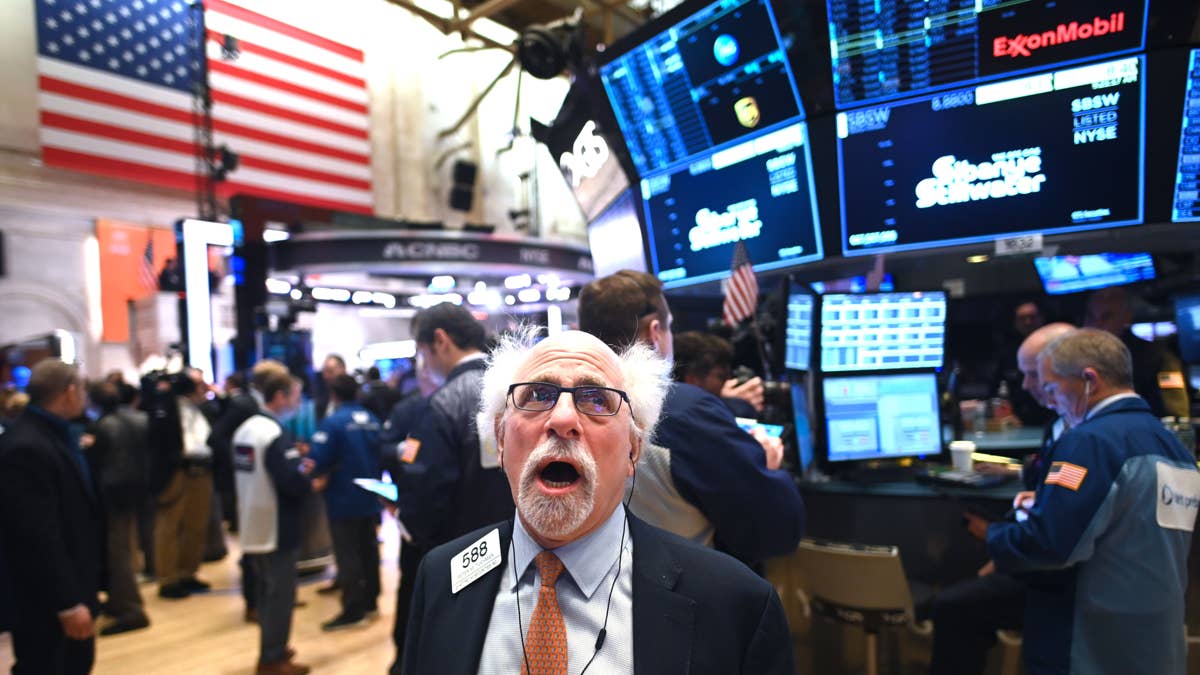
Vanguard’s VUG ETF has consistently outperformed the S&P 500 over rolling decades, but heavy tech concentration increases its exposure to market downturns.Bloomberg / Getty Images
Dot-com buyers waited 12.5 years to break even, and retirees face a steeper price
VUG’s most painful chapter predates the ETF itself, because the fund is a share class of the Vanguard Growth Index Fund. Those Investor Shares fell 56% from March 2000 to July 2002, and the break-even point was not reached until September 2012, 24/7 Wall St reported.
Ten years into that recovery, the growth fund was worth just $7,349, while the S&P 500 index fund held $9,111. Vanguard has noted that a 12.5-year recovery timeline is compatible with investors still in the accumulation phase but presents distinct risks for retirees drawing income during the wait.
Jonathan Lee, senior vice president and senior portfolio manager at U.S. Bank Private Wealth Management, told Kiplinger that selling shares at depressed prices locks in those losses and shrinks the pool of assets available for the eventual recovery.
<strong>Retirees who withdraw from a retirement portfolio in a down market are unfortunately steepening the already uphill battle</strong>.
Kiplinger frames sequence-of-returns risk as one of the central dangers for retirement portfolios subject to regular withdrawals during a market decline, particularly where recovery timelines run several years.
How investors approaching retirement can hold VUG without the drawdown danger
VUG suits investors with at least a decade ahead of them who can weather crashes without selling, 24/7 Wall St noted.
Retirees who want VUG’s long-term growth premium can protect themselves by walling off short-term spending needs from their equity positions, according to Charles Schwab’s phased drawdown framework.
Schwab recommends holding one year of expenses in cash, plus three to five years’ equivalents. A second tier of bonds and income-focused investments is designed to cover the next several years of planned spending needs. The third and largest tier holds growth-oriented equities for the longest time horizon, allowing time to recover before those funds are needed.
Jason Grover, founder of Grover Financial Services, supports that framework, warning that retirees should never be forced to sell investments just to cover everyday expenses, Kiplinger reported.
That structure shields near-term spending from VUG’s volatility, giving the fund the decade-plus recovery window its track record demands before withdrawals begin.
Related: Vanguard’s global ETF flags a stark shift for investors