


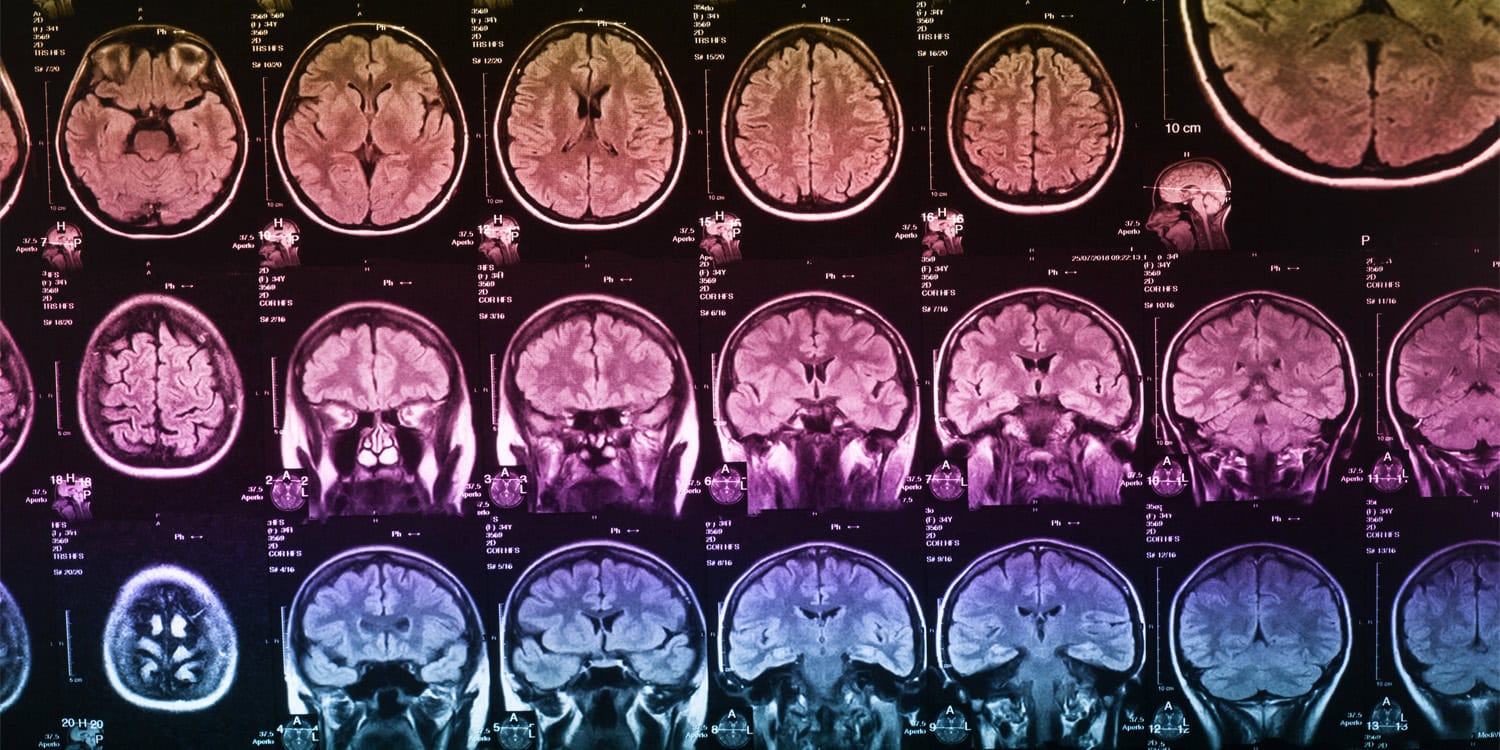
People who suffer from depression that does not respond to standard treatments may experience a loss of complexity in their resting brain activity. A recent brain imaging study found that patients with treatment-resistant depression display reduced neural entropy, meaning their brain signals are more rigid and less unpredictable than those of healthy individuals. The research, published in the Journal of Affective Disorders, suggests that system-wide reductions in brain flexibility could serve as a biological marker for this severe form of the illness.
Major depressive disorder is a chronic condition that ranks among the leading causes of disability worldwide. While many patients find relief through standard medications, a substantial portion do not. Treatment-resistant depression is typically diagnosed when a patient fails to achieve remission after at least two adequate trials of antidepressant therapy.
Individuals dealing with this form of depression often experience severe symptoms, including persistent low mood, an inability to feel pleasure, and cognitive difficulties. They also face a higher risk of relapse and suicidal thoughts. Understanding the biological mechanisms behind this resistance to treatment is a major goal for psychiatric research.
To explore these underlying mechanisms, researchers often look at brain entropy. In the context of neuroscience, entropy refers to the level of complexity, irregularity, and unpredictability in spontaneous brain signals. A healthy brain exhibits high entropy, which allows it to flexibly adapt to new information, process emotions, and perform cognitive tasks.
Conversely, lower brain entropy indicates a more constrained and stereotyped pattern of brain activity. Previous imaging studies have linked lower entropy to poorer emotional regulation and cognitive rigidity. However, the concept had not been extensively mapped in individuals specifically diagnosed with treatment-resistant depression.
A team of scientists based at Taipei Veterans General Hospital and National Yang Ming Chiao Tung University in Taiwan conducted the recent investigation. The study was led by researchers Wei-Chen Lin and Li-Kai Cheng, alongside senior author Mu-Hong Chen. They wanted to see if the severe clinical features of treatment-resistant depression were reflected in a loss of neural complexity across specific brain networks.
The researchers recruited 48 adults diagnosed with treatment-resistant depression and 38 healthy adults with no history of psychiatric disorders. The patients with depression had all failed to respond to at least three adequate courses of antidepressants, classifying their condition as moderately treatment-resistant. Both groups were matched in terms of age and sex distribution.
To measure brain entropy, all participants underwent resting-state functional magnetic resonance imaging. This type of brain scan tracks blood oxygenation levels in the brain over time. Because active brain regions require more oxygen, these fluctuating blood oxygen levels serve as a proxy for neural activity.
During the scans, participants were instructed to simply rest with their eyes closed, stay awake, and let their minds wander. This allowed the researchers to capture the brain’s spontaneous, baseline activity rather than its response to a specific task. The team then calculated the sample entropy of these brain signals across 166 distinct anatomical regions.
Sample entropy is a mathematical formula that quantifies how unpredictable a time series is. The researchers applied two different mathematical thresholds to their entropy calculations. One threshold was more permissive, designed to catch the most robust and pronounced drops in brain complexity. The other was more stringent, designed to detect subtle, widespread reductions in signal irregularity.
Using the more permissive threshold, the researchers found that patients with treatment-resistant depression exhibited lower brain entropy in three specific areas. These included the right angular gyrus, the left cerebellar Crus II, and the median raphe nucleus. The median raphe nucleus is located in the brainstem and serves as a major source of serotonin, a chemical messenger heavily involved in mood regulation. The right angular gyrus and cerebellar Crus II help integrate sensory information and support social and emotional processing.
When the researchers applied the more stringent threshold, they observed a much broader pattern of reduced entropy. The patients displayed lower neural complexity across 24 distinct brain regions compared to the healthy adults. This widespread reduction affected several large-scale brain systems, including the default mode network, the salience network, and the reward network. These systems collectively govern how humans process emotions, assign value to external stimuli, and navigate social environments.
Affected regions within these networks included the prefrontal cortex, which is associated with decision making and cognitive control. The researchers also saw reduced entropy in the thalamus, a central hub that relays sensory signals, and the nucleus accumbens, a key node in the brain’s reward circuitry. This extensive pattern suggests that treatment-resistant depression involves a global disruption of neural flexibility rather than an isolated defect in a single anatomical structure.
The researchers also looked for relationships between entropy levels and the severity of a patient’s treatment resistance. They noticed a preliminary trend in a specific part of the cerebellum where higher entropy correlated with more severe treatment resistance. The researchers suspect this might represent the brain attempting to compensate for dysfunction elsewhere, though the finding was not statistically significant after adjusting for multiple mathematical comparisons.
The study relied on a cross-sectional design, meaning the researchers observed the participants at a single point in time. Because of this, it is impossible to determine whether reduced brain entropy contributes to the development of treatment-resistant depression or if the prolonged illness causes the brain to lose its complexity. Tracking patients over several years could help clarify the direction of this relationship.
Another detail to consider is the use of medication among the study participants. All the patients with depression were taking antidepressants during the brain scans, and many were taking additional medications such as mood stabilizers or atypical antipsychotics. While this reflects the reality of treating severe depression, it leaves open the possibility that the medications themselves might influence the complexity of resting brain signals.
The research team also did not include a control group of patients whose depression responds well to standard treatments. Without this group, it is difficult to isolate which entropy reductions are unique to treatment resistance versus those that are common to depression in general. Future studies comparing treatment-resistant patients directly with treatment-responsive patients could highlight the specific biological signatures of treatment failure.
Finally, the researchers noted the need for accompanying cognitive and behavioral tests in future work. Incorporating detailed psychological assessments alongside brain scans would help connect the observed reductions in brain entropy to specific real-world challenges, such as memory deficits or emotional blunting.
The study, “Treatment-resistant depression is associated with reduced brain entropy,” was authored by Wei-Chen Lin, Li-Kai Cheng, Tung-Ping Su, Li-Fen Chen, Pei-Chi Tu, Cheng-Ta Li, Ya-Mei Bai, Shih-Jen Tsai, and Mu-Hong Chen.