

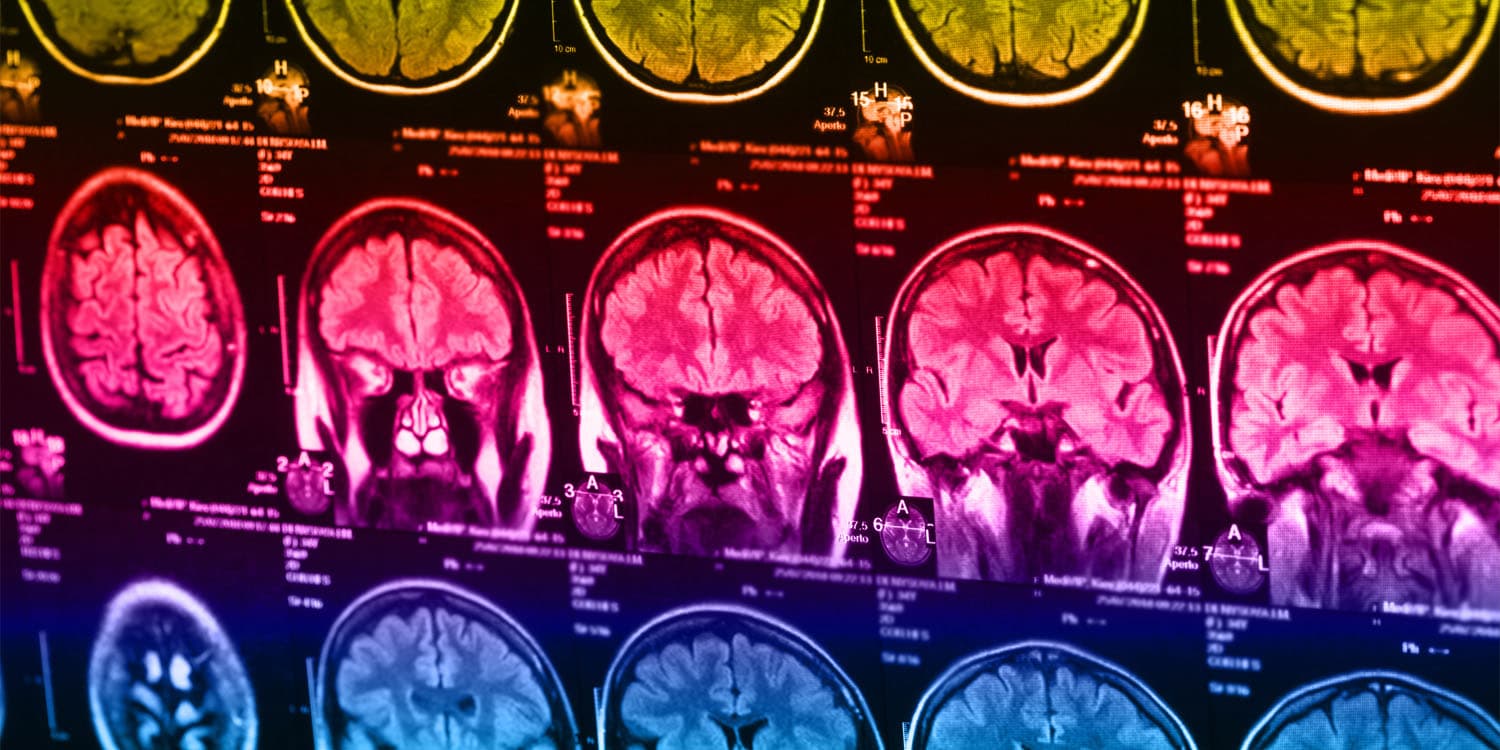
A small brain imaging study in China found that transgender women showed patterns of brain activity and connectivity that differed from those of both cisgender men and cisgender women, particularly in networks involved in processing bodily sensations and movement. On most measures, cisgender men fell between the other two groups, suggesting transgender women’s brain function was in some respects closer to that of men than women. The paper was published in Scientific Reports.
Transgender individuals are people whose gender identity or expression differs from the sex they were assigned at birth. In recent years, the number of people seeking specialized gender identity services has increased substantially worldwide. Transgender women, who were assigned male at birth but identify as women, make up a large share of those seeking gender-affirming treatment.
Research suggests that gender-affirming therapy is associated with better psychological well-being among transgender women, although they continue to face elevated risks of depression and suicidal thoughts, which are strongly linked to stigma and discrimination. Scientists have also investigated whether transgender individuals have distinctive patterns of brain structure and functioning compared with cisgender men and women.
Some studies have found that the brains of transgender women resemble those of cisgender men in many regions, while others have identified similarities with cisgender women in certain areas. Other research has identified differences in spontaneous brain activity, communication between brain regions, and the stability of brain networks over time. However, the findings remain inconsistent.
Study author Xiongyu Li of the Second Xiangya Hospital of Central South University and colleagues examined patterns of brain activity at rest in transgender women at several levels, from activity within small local areas to communication between distant brain regions and the efficiency of the brain’s network as a whole. They wanted to see whether these patterns would more closely resemble those of people who share their sex assigned at birth, those who share their gender identity, or neither.
The researchers recruited 17 transgender women in Changsha, Hunan Province, who met the World Health Organization’s criteria for gender incongruence, along with 34 cisgender men and women of similar age recruited from nearby universities. Cisgender people are those whose gender identity matches the sex they were assigned at birth. After three participants were excluded because of poor image quality or excessive head movement, the final analysis included 16 people in each group. Fifteen of the 16 transgender women were receiving gender-affirming hormone therapy.
Participants underwent resting-state functional magnetic resonance imaging (fMRI), which records brain activity while a person lies quietly in the scanner without performing a task. The researchers used these data to measure the strength of spontaneous activity within specific regions, how synchronized activity was among neighboring areas, the functional connectivity between brain regions (how closely their activity rises and falls together), and how efficiently information appeared to flow through the brain’s network.
Transgender women showed stronger slow, spontaneous fluctuations in activity in the cerebellum, precentral gyrus, and thalamus, regions involved in movement and processing sensory information, than both cisgender men and cisgender women, who did not differ from each other on this measure. Transgender women also showed less synchronized activity among neighboring areas in parts of the precuneus, a region involved in self-related thinking, than cisgender participants, particularly cisgender women.
Transgender women also showed weaker functional connectivity between the ventral attention and sensorimotor networks, as well as within the sensorimotor network. The ventral attention network is involved in detecting unexpected or important stimuli and redirecting attention toward them, while the sensorimotor network processes sensory information and controls movement. In addition, transgender women showed lower local efficiency, a measure of how efficiently information is exchanged within tightly interconnected clusters of brain regions.
On most of these measures, cisgender men fell between transgender women and cisgender women. For connections involving the sensorimotor and ventral attention networks, for example, connectivity was weakest in transgender women, intermediate in cisgender men, and strongest in cisgender women. The main results held after the researchers accounted for differences in overall brain size, while exploratory analyses of how brain activity changed over time during the scan found only limited differences between groups.
“Our results suggest that TW [transgender women] have distinct patterns of brain function compared with cisgender people, while they are more aligned with those of CM [cisgender men] (their sex assigned at birth) rather than CW [cisgender women],” the study authors concluded.
The researchers suggest the differences in sensorimotor regions and networks may relate to how transgender women perceive their own bodies, though the study did not test this directly.
The study contributes to the scientific understanding of brain function in transgender women. However, the design of the study does not allow any causal inferences to be derived from these results. The sample was also very small, with 16 people per group, and the brain scans were relatively short, which can limit how reliable the findings are.
Nearly all of the transgender women were receiving hormone therapy, and the researchers did not account for its effects, so it is not possible to tell whether the differences reflect hormones or other factors. The study also did not include transgender men or measure participants’ mood, even though depression is more common among transgender women and could affect brain activity.
The paper, “Comparing local brain activity and distant functional connectivity in transgender women compared to cisgender controls,” was authored by Xiongyu Li, Zhibiao Xiang, Dayi Liu, Zhening Liu, Yicheng Long, and Shixiong Tang.