

[[{“value”:”Whenever I think of golden age diners, the famous Edward Hopper painting Nighthawks comes to mind. Diners are an undeniable American mainstay, and most people associate them with childhood memories, no matter when they grew up. However, if you grew up in the golden age of American dining, a handful of names will come to mind. If you remember these 5 diner chains, you grew up in the golden age of American dining.
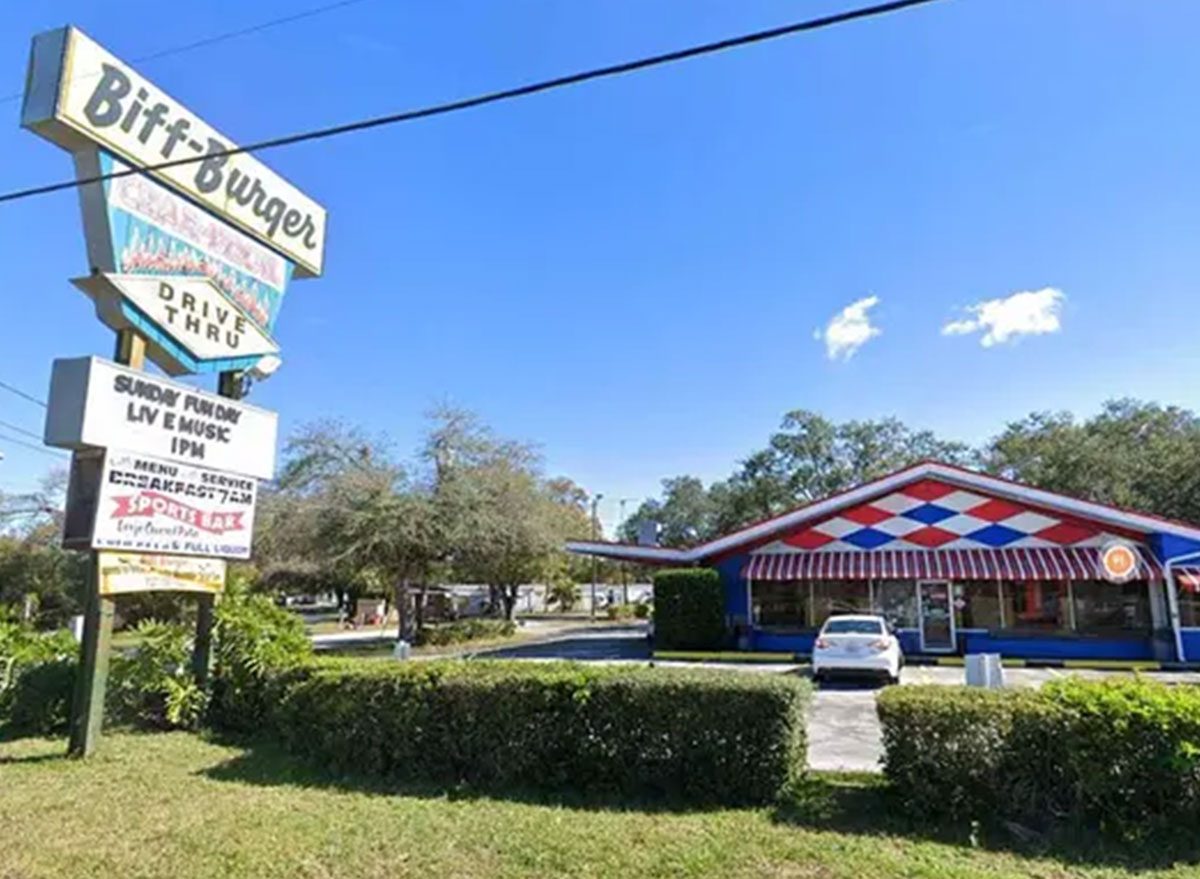
Biff Burger
Biff Burger, short for “Best in Fast Food,” was an American fast-food burger chain founded in 1956 by brothers Bruce and Earl Brane in Clearwater, Florida. The chain was famous for its “Roto-Red Broiler,” which used an upper rotisserie rack to cook beef patties while lower racks toasted buns with dripping juices, then dipped the burger in a special spice sauce. In the late 1950s and 1960s, it operated hundreds of locations across the Southeastern United States and Canada. However, by the 1970s, financial troubles set in, and the chain closed locations nationwide by the 1980s. The last Biff Burger in St. Petersburg, Florida) permanently closed on December 7, 2021. However, a historic spin-off, Beef Burger, continues operating in Greensboro, North Carolina.
Steak and Ale
Steak and Ale was America’s favorite steakhouse long before Longhorn and Outback Steakhouse existed. It was one of the first chains to serve affordable steaks plus a salad bar in a more casual dining setting. The first restaurant opened in 1966. By the 1980s, it was operating more than 280 restaurants. Eventually, Steak and Ale filed for bankruptcy and began closing restaurants rapidly. By 2008, none remained. However, in 2024, Steak and Ale was reborn when a brand-new restaurant opened inside the Wyndham Nicollet Inn in Burnsville, Minnesota.
J.J. Newberry Lunch Counter
The J.J. Newberry Lunch Counter was a classic American five-and-dime diner feature known for spinning counter stools, fountain sodas, and budget-friendly comfort food. Founded in 1911 by John Josiah Newberry in Stroudsburg, Pennsylvania, the J.J. Newberry chain quickly expanded nationwide. Customers sat on rotating chrome-and-vinyl stools while they shopped. The chain folded into McCrory in the 1970s and eventually closed most locations. A New Berry’s on the Common in downtown Plymouth, New Hampshire, is a modern revival of the historic Newberry’s building. It features JJ’s Breakfast & Lunch Counter, where diners can enjoy a piece of nostalgia.
RELATED: If You Remember These 5 Breakfast Chains, You Grew Up in the Golden Age of American Dining
Woolworth’s Lunch Counter
The Woolworth lunch counter is an iconic dime-store diner remembered for more than just the food. It was also a historic site in the American Civil Rights Movement, famous for the February 1, 1960, sit-in protest in Greensboro, North Carolina. The first location opened in New Albany, New York, in 1923, and quickly expanded across the country. Most Woolworth’s lunch counters closed in the decades leading up to 1997, when F.W. Woolworth Co. closed its remaining U.S. variety stores
Manning’s Cafeteria
Manning’s Cafeterias was a popular West Coast restaurant and cafeteria chain that grew to about 40 locations across nine western U.S. states, Canada, and Hawaii. The first location opened in Seattle’s Pike Place Market in 1908 by William Manning and his brother Ed Manning. It evolved from a coffee and baked-goods spot into a cafeteria. The last remaining San Francisco location closed in 1984. The original Pike Place Market location transitioned into Lowell’s in 1957 and remains open today.
The post If You Remember These 5 Diner Chains, You Grew Up in the Golden Age of American Dining appeared first on Eat This Not That.”}]]