

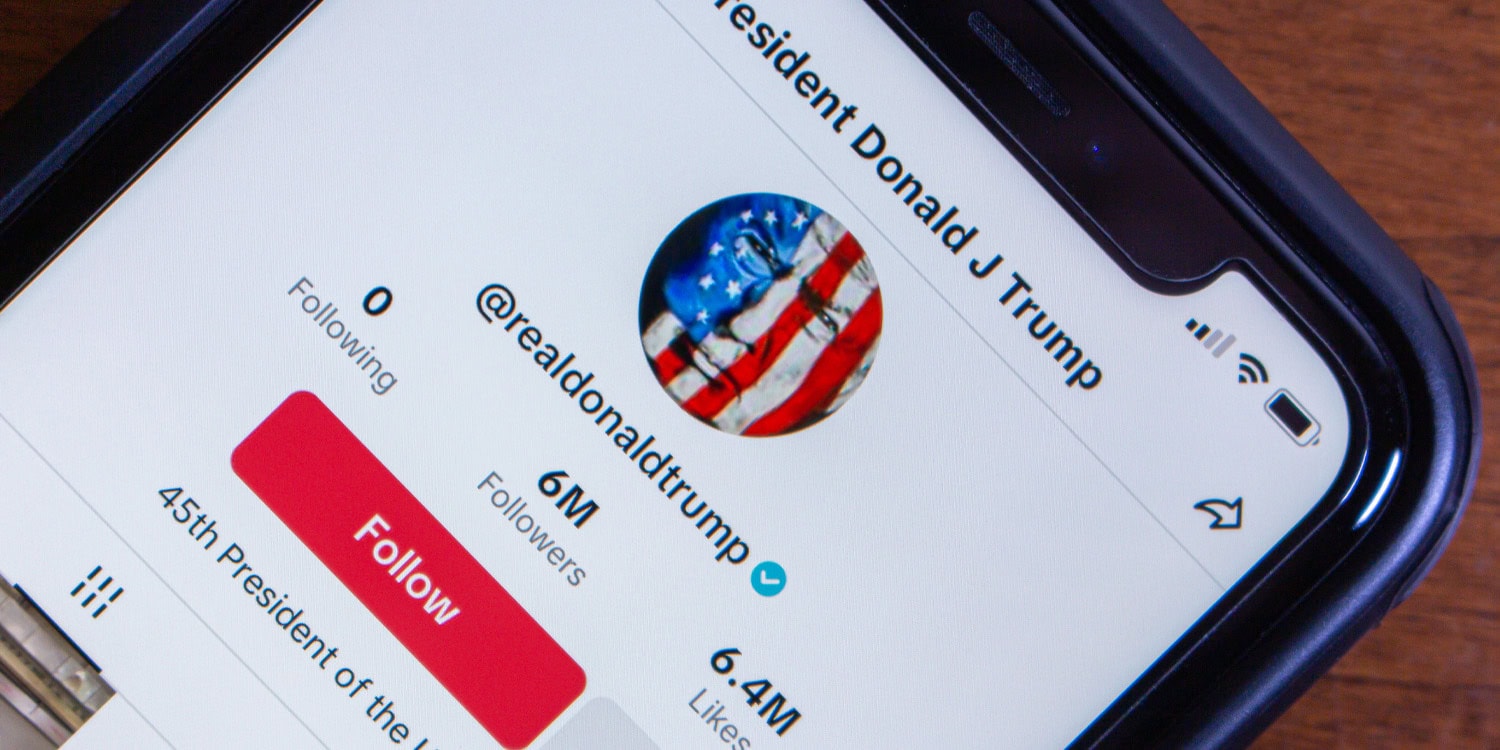
A recent study shows that political candidates on TikTok garner more views and interactions when they use short, highly emotional, and performance-based videos rather than detailed policy discussions. The research reveals how the structural design of the app encourages political messaging that prioritizes quick entertainment and visual spectacle over traditional campaigning. The findings were published in the Journal of Political Marketing.
Social media has completely changed how politicians reach voters, allowing them to bypass traditional news outlets. On platforms like TikTok, the audience tends to be younger, and the content moves rapidly. Researchers wanted to understand how candidates adapt their communication styles to survive in this specific digital environment.
To explore this, the researchers relied on a concept called Media Ecology Theory. This theory suggests that communication platforms are not just neutral delivery pipes for information. Instead, the specific design tools and rules of a platform shape the actual messages people create.
The investigators also looked at the idea of “affective publics.” This term describes how digital communities often form around shared emotions rather than logical debates. On an app powered by an algorithm that rewards rapid engagement, a shared joke or a burst of outrage might travel much further than a policy white paper. The study was authored by Jenny Bronstein and Tal Eitan, researchers at the Department of Information Science at Bar-Ilan University in Israel.
The researchers analyzed every TikTok video posted by the official accounts of Donald Trump and Kamala Harris during the 2024 U.S. presidential campaign. The data covered the period from when each candidate launched their account in the summer of 2024 until the day after the November election. The final dataset included 276 videos, consisting of 57 posts from Trump and 219 posts from Harris.
The research team watched and coded each video based on its structural style and its content. They looked for stylistic choices like speaking directly to the camera, sharing casual moments, or showing footage of large crowds. They also tracked emotional themes, noting whenever a candidate used humor, criticized their opponent, or featured a celebrity. Finally, the researchers compared these categories against public engagement numbers, such as views, likes, comments, and shares, to see which formats were most visible.
The overall posting habits of the two candidates differed greatly. Trump posted less frequently, but his videos were shorter, averaging 18 seconds. These shorter clips were associated with higher average engagement per post. Harris uploaded videos much more often, and her videos were longer, averaging 37 seconds. Her longer, issue-focused videos were associated with steadier but lower average interaction levels.
Both campaigns relied heavily on visual spectacle to project momentum. Over 80 percent of the videos from both candidates featured campaign stops, motorcades, or rallies. Showing energetic crowd scenes and candidates stepping off airplanes served as symbolic displays of power and territorial reach. For Trump, videos featuring these campaign spectacles were associated with higher share counts.
The candidates took different approaches when speaking directly to the camera. Trump favored an assertive, broadcast-style delivery. He focused on economic themes, border control, and confidence in victory, using forceful language. These direct-to-camera appeals made up about two-thirds of his posts and correlated with higher numbers of plays and likes for his account.
Harris used direct-to-camera appeals less often, featuring them in about a third of her posts. When she did speak directly to the viewer, she adopted a more instructional tone. She prioritized topics like human rights, disaster recovery, and reproductive rights, often encouraging civic participation. Her direct appeals were generally longer and more explanatory than Trump’s punchy statements.
Both candidates dedicated roughly half of their videos to informal, relatable moments. Trump cultivated a populist image by visiting a McDonald’s and riding in a garbage truck. Harris shared personal stories about cooking or caring for family members, trying to project warmth and accessibility. The researchers found no statistically significant differences in engagement for these relatable videos, suggesting that casual moments alone did not guarantee higher algorithmic visibility.
Humor and entertainment proved to be highly effective for capturing attention, even though the candidates used them sparingly. Less than 10 percent of the videos from each candidate relied primarily on jokes, memes, or parody. For Trump, these comedic posts were linked to significantly higher engagement across all metrics.
The candidates also used the platform to attack each other, but they utilized different formats. Harris referenced Trump in about a fifth of her videos. She frequently used split-screen formats to play a clip of her opponent and then offer a detailed rebuttal. In one video, she stated, “As president, I will take on corporate price gouging to lower the cost of groceries. Donald Trump can’t figure out what groceries are.”
Trump referenced Harris in about a third of his videos, but he rarely engaged directly with her specific claims. Instead, he relied on sarcasm, visual exaggeration, and direct mockery. In one video blaming his opponent for job losses, he stated, “In the last month, Kamala Harris has destroyed 24,000 jobs, manufacturing jobs, beautiful jobs.” Ultimately, the researchers found no statistically significant differences in engagement for videos that focused on attacking opponents.
Associating with celebrities and online influencers was another major strategy. Trump featured male figures from competitive sports and podcasting to reinforce a populist, masculine image. Harris collaborated with diverse musicians, actors, and media personalities to emphasize inclusivity and broader cultural relevance. For Trump, videos featuring these cultural figures were correlated with higher share counts, functioning as an effective shortcut for signaling identity.
The researchers noted a few limitations to their work. The study focused entirely on TikTok, meaning these communication patterns might not apply to platforms with different designs, such as Instagram or X. The analysis was also limited to two candidates in a single U.S. election cycle.
Additionally, the study relied on public engagement metrics, which only reflect how widely a video circulated. These numbers do not reveal how audiences actually felt about the videos or whether the content influenced their voting behavior. The coding system also only noted whether a specific feature was present in a video, without measuring the intensity of the emotional appeal.
The study, “Campaigning on TikTok: Platform Affordances, Affective Messaging, and Candidate Communication Styles in the 2024 U.S. Presidential Election,” was authored by Jenny Bronstein and Tal Eitan.