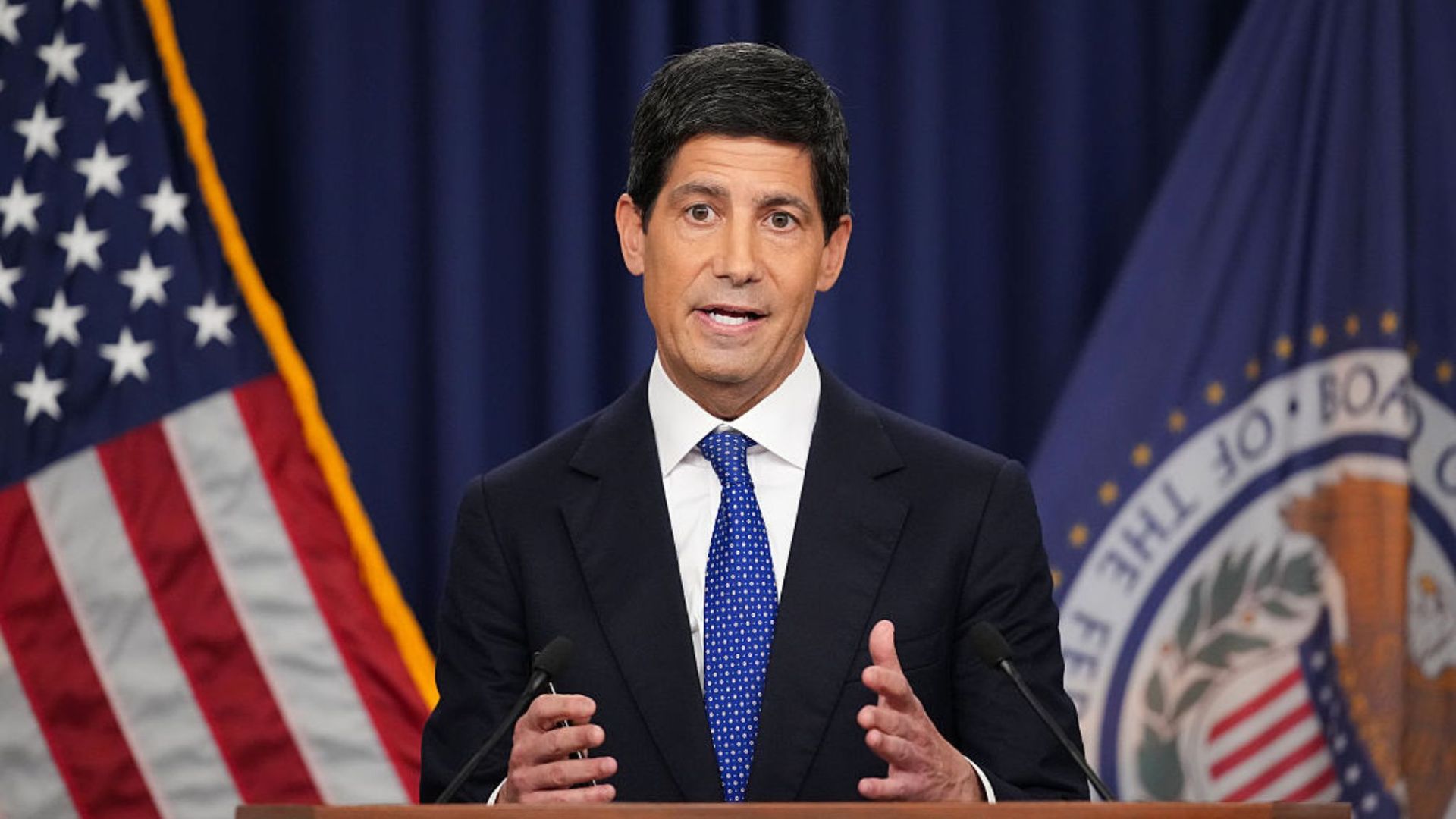

The Federal Reserve raised the federal funds rate by a quarter point on September 16. Fed Chair Kevin Warsh told reporters that the underlying inflation data he’s reviewing shows the overall price trend isn’t improving as the Fed wants. That’s not really a surprise either if you’ve been to the gas station or grocery store recently. When the Fed hikes rates, it affects your finances in several ways. For savers, this can be good news, as you earn higher returns on savings accounts, especially at online banks. On the flip side, borrowing costs can also rise on loans and credit cards. Understanding how Fed policy affects your finances can help you save more money. Here are a few examples.Should I get a variable-rate or fixed-rate savings account?(Image credit: Getty Images)Savings accounts come with different types of rates. Traditional savings accounts at brick-and-mortar banks, as well as high-yield savings and money market accounts, have variable interest rates. This means that if the Fed hikes rates again, you can earn higher returns without doing a thing. Meanwhile, CDs offer fixed interest rates, so once you lock one in, you won’t benefit from another Fed rate hike. For this reason, I don’t recommend a longer-term CD right now unless you’ve met your savings and retirement goals and are looking for less risky options as you approach or are in retirement. Instead, I recommend either a short-term CD or a high-yield savings account in the interim. Why? Because we could see another rate hike before the end of the year. The escalating conflict in Iran has pushed gas prices higher, and that will trickle down to everything else.If you’re on the fence about where to turn, here are some scenarios and solutions:ScenarioBest optionRecommended accountWant cash flexibilityHigh-yield savingsNewtek Bank (4.20% APY)Lock in higher rates for timed savings goalsShort-term CDsVibrant Credit Union (4.25% APY for 6-month CD)Longer savings goal (you’re flush and don’t want to rate chase)Mid-range CDSallie Mae 3-year CD (4.40% APY)You can also use this Bankrate tool to compare the best CD rates:How higher rates affect your borrowing (and what to do about it)(Image credit: Getty Images)While savers benefit from higher Fed rates, borrowing rates also increase. Knowing how to minimize these increases can lower your total loan costs. Here are some examples: High-interest credit card debtCredit card APRs work in lockstep with Fed rate hikes. If you’re paying the minimum balance but struggle to pay down the balance, a credit card offering a 0% introductory rate can be a smart choice. I like them because your payments go entirely to principal, giving you momentum to pay it off. The Wells Fargo Reflect® Card gives you a 0% introductory APR for the first 21 months on purchases and qualifying balance transfers completed within the first 120 days of opening your account. Almost all credit card issuers charge a balance transfer fee — usually 3% to 5% of the total balance transferred — so keep that in mind when budgeting your options.HELOCs and lines of creditBoth have variable interest rates that rise with rate hikes. The easiest solution is to pay down the principal as quickly as you can to lower total loan costs. In some cases, you can ask your lender to convert your variable-rate balances into fixed-rate loans. You can also shop around and refinance. When considering a refinance, research closing costs, potential prepayment penalties and whether the new interest rate significantly lowers your overall monthly payments.If you decide to shop around, use this Bankrate tool to find the best rates:What if I want to finance a car or home?When planning larger purchases, try to pay as much in cash as possible. For auto loans, choose a shorter repayment term to reduce your total loan cost. And receive your financing outside of the dealership, where you stand to earn the best deal. Buying a home is trickier because, while Fed policy does affect mortgage rates somewhat, the 10-year Treasury Yield is the main driver and it’s keeping mortgage rates high. If you plan to buy a home with cash, it doesn’t matter. But for the rest of us, using builder buydown programs to lower interest or taking on an assumable mortgage can be a smart move if the opportunity is right. While a Fed rate hike boosts returns on high-yield savings accounts and CDs, it also raises borrowing costs across credit cards, loans, and mortgages. Navigating these changes effectively requires placing your cash where it earns the highest yield while actively managing variable debt to minimize interest. Interest rate changes can affect everything from where you keep your savings to how much you pay to borrow. If you’re weighing a major financial decision or want help adjusting your strategy as rates change, a financial adviser can help you look at the bigger picture and determine what makes sense for your goals.Use the tool below to connect with a vetted financial professional today: Related content Kiplinger Interest Rates Outlook: Long Rates Still Under PressureInflation Is Eating Away at Your Cash. These Accounts Can HelpTreasury Yields Are Rising. Here’s What That Could Mean for Your Mortgage, Car Loan and Credit Cards