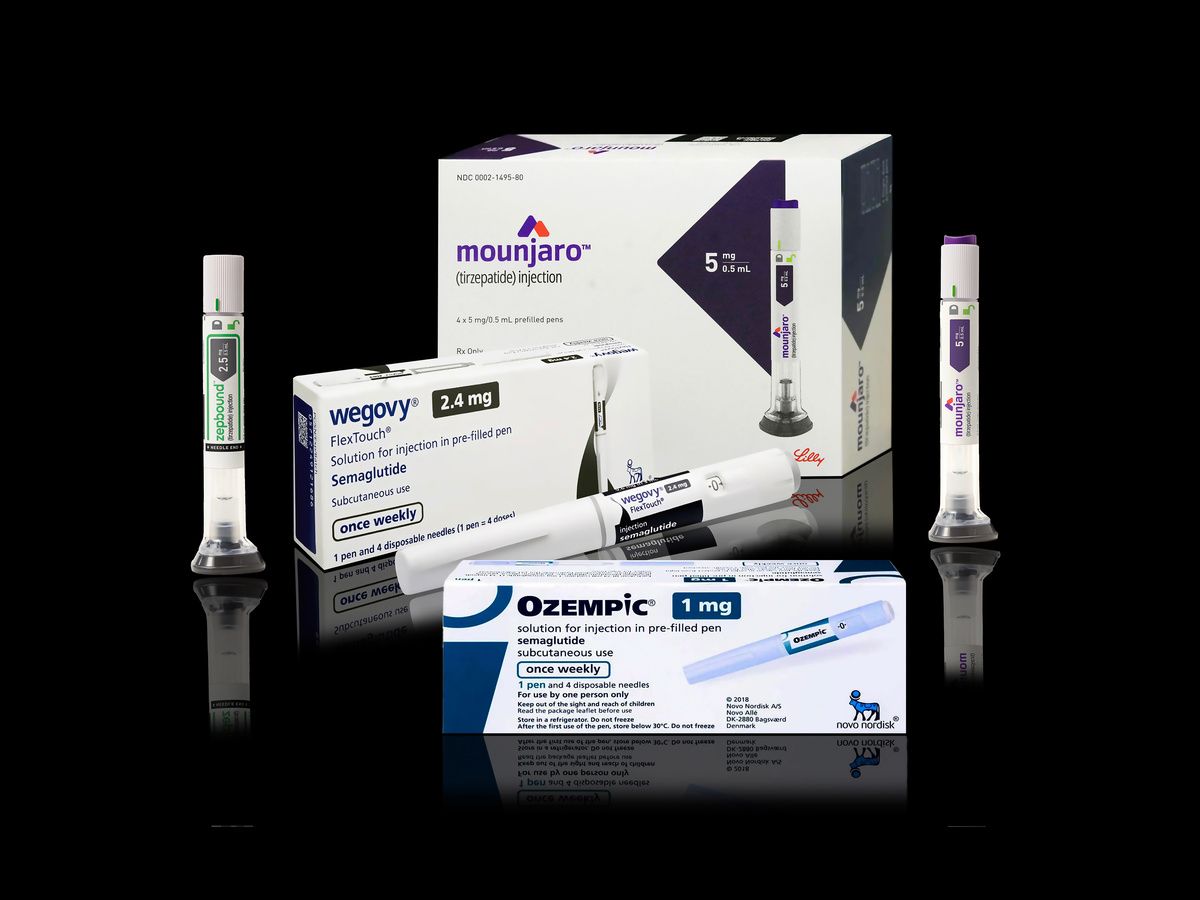
The weight-loss drug boom is beginning to show signs of a slowdown as employers and insurers pull back on coverage , signalling the market could be entering a more restrained phase after years of breakneck expansion. In the past few months, growth in prescriptions for GLP-1 drugs for weight loss like Novo Nordisk A/S ’ Wegovy and Eli Lilly & Co.’s Zepbound have moderated, according to Cigna Group chief executive Brian Evanko. The insurer’s unit that manages drug benefits has noted coverage declines and slower utilization growth compared to prior periods, executives said during an earnings call with Wall Street analysts Thursday. Lilly’s shares fell 3.8 per cent at 2:40 p.m. in New York, while Novo’s American depositary receipts were down more than one per cent. The Cigna comments underscore the challenges facing drugmakers as they fight to expand access to their medications. While demand remains high, insurance companies and employers have decried the cost of covering the drugs long term. That’s led some health plans to drop coverage or make the obesity treatments more difficult to get. The comments from Cigna executives about GLP-1 coverage and utilization apply to health plans that use the company’s pharmacy benefits manager, Express Scripts, to handle their prescription drug coverage. The trend may not end anytime soon . Cigna, for one, expects the slowdown to continue for the remainder of the year, chief financial officer Ann Dennison said. About six per cent of large employers already dropped coverage for weight-loss drugs in 2026, according to a recent survey from consulting firm Mercer, reflecting mounting concerns about the medications’ long-term budget impact. Another five per cent said they’re planning to drop coverage in 2027. More than one-in-four employers tightened utilization controls this year, or plan to in 2027, Mercer said. Canadians can now get digital prescriptions for ‘generic Ozempic’Opinion: Ontario’s pharmacy regulator undermines drug affordability Cigna has stopped covering Wegovy and Zepbound for its own employees because of the cost, Evanko said on the call. “Should drug manufacturers decide to meaningfully discount the net prices they offer, we may revisit this in the future,” he said. Meanwhile, Lilly and Novo have been working overtime to find creative solutions to fill the gap. That includes running studies to show the drugs’ broader benefits beyond weight loss, which might make them more attractive to insurers. Both companies already offer steep discounts to patients who pay out of pocket. Lilly also has a newer program for certain employers that allows them to access the drugs at lower prices. Bloomberg.com
Employers are trimming obesity drug benefits for workers, Cigna says