

Ordering food through delivery apps can be expensive, with service charges, delivery fees, and tips adding significantly to the final bill.
But could two customers ordering the same meal from the same restaurant be charged different prices based on their shopping habits, personal information, or even the phones they use?
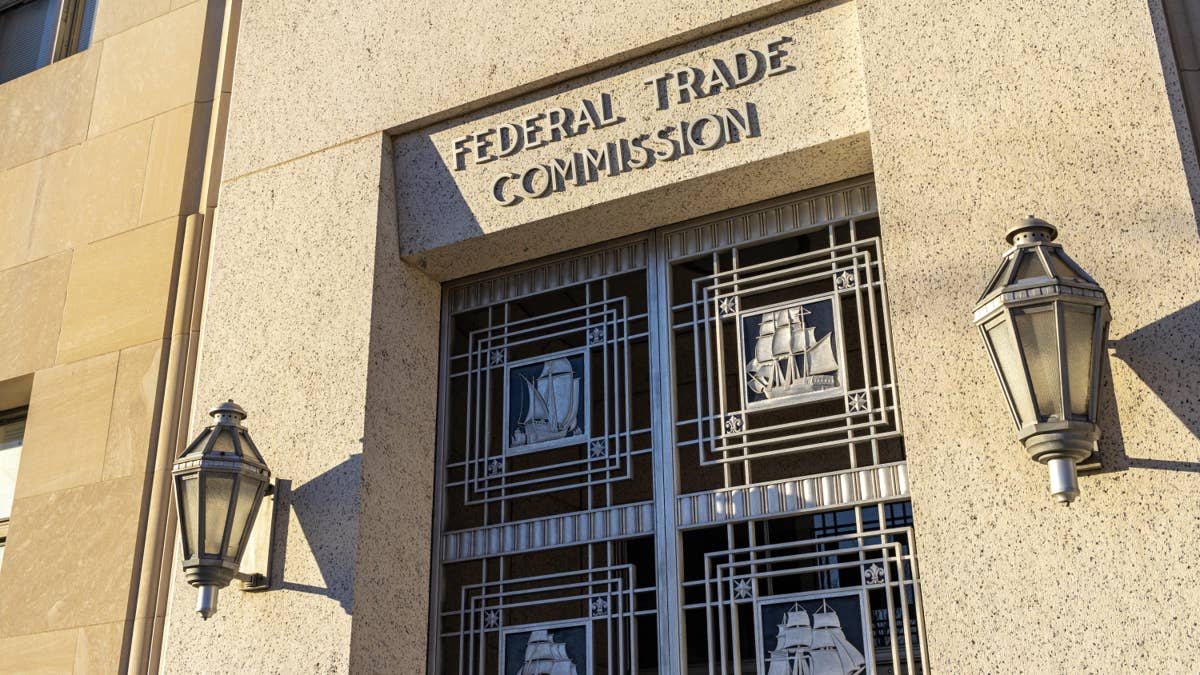
That is at the center of a Federal Trade Commission (FTC) inquiry examining how nine major companies use consumer data to determine prices.
The FTC launched the inquiry on Oct. 28, seeking information from companies including DoorDash, Walmart, Target, Uber, Lyft, Instacart, and major airlines.
Now, DoorDash is publicly addressing several of those concerns.
In a Nov. 16 announcement, the delivery giant outlined its pricing principles and rejected the use of surveillance pricing, a practice in which companies use personal information to determine what individual customers are willing to pay.
“That’s surveillance pricing, and we don’t do it,” DoorDash said.
The statement follows TheStreet’s earlier reporting on the FTC inquiry, in which several companies addressed concerns about personalized pricing, while DoorDash had not responded to a request for comment.
DoorDash’s latest announcement does not establish whether the company has formally responded to the FTC.
DoorDash explains what determines customer prices
DoorDash outlined several commitments to reassure customers that their personal information is not being used to increase prices.
The company said customers ordering the same item from the same store at the same time will see identical listed item prices.
It also denied charging customers differently based on their age, gender, race, religion, or smartphone type.
More Retail:
Struggling home goods chain closing more stores
Verizon makes changes to be more like T-Mobile used to be
Home Depot drops generous offers as customers grow harder to win
That means iPhone users are not charged more than Android users simply because of their devices, the company said.
DoorDash also rejected the idea that frequent customers face higher prices because the platform knows their purchasing habits. The company said it does not use real-time surge pricing to increase item prices or standard fees during periods of high demand.
However, that does not mean every customer will pay the same total at checkout.
Delivery fees can vary depending on the merchant, distance traveled and effort required to complete an order. Additional fees may also apply during extreme weather.
DoorDash also defended personalized discounts, which allow it to offer different promotions based on customers’ shopping habits.
For example, frequent buyers of a particular product might receive discounts on competing brands.
The company said U.S. customers saved more than $12 billion through deals on its marketplace in 2025.
DoorDash is now calling for legislation to ban surveillance pricing while preserving personalized coupons, discounts, and loyalty programs.
DoorDash’s pricing response comes amid an FTC inquiry into nine major retailers.Ward DeWitt / Getty Images
DoorDash addresses controversial patent amid FTC scrutiny
DoorDash also addressed concerns regarding a patent application for technology designed to identify customers experiencing difficulties using its app.
The application raised questions about whether information about customers’ emotional states could potentially influence pricing. DoorDash said the technology was never implemented and that it withdrew the patent application.
The company also denied using customers’ emotional states, stress levels, or biometric information to determine prices.
However, the FTC’s investigation extends beyond what consumers pay.
The agency is also examining whether gig-economy platforms use workers’ personal information to determine compensation.
The nine companies were given 45 days from the date they received the FTC’s orders to provide information about their pricing and compensation practices.
DoorDash’s announcement does not directly address how individual delivery workers’ data may influence their pay.
The FTC inquiry does not itself establish wrongdoing by any of the companies involved.
For consumers, DoorDash’s statement offers some clarity about how the company says it determines prices, although differences among item prices, delivery fees, and personalized discounts remain important.
Whether regulators reach the same conclusions after examining the companies’ internal pricing practices remains to be seen.
Latest Retail NewsWalmart shares delivery update consumers need to know aboutCostco makes a tough store closure decision7-Eleven, Wawa, and Circle K are coming for McDonald’s customersRoss Stores rolls out pricing shift for customers as sales rise