

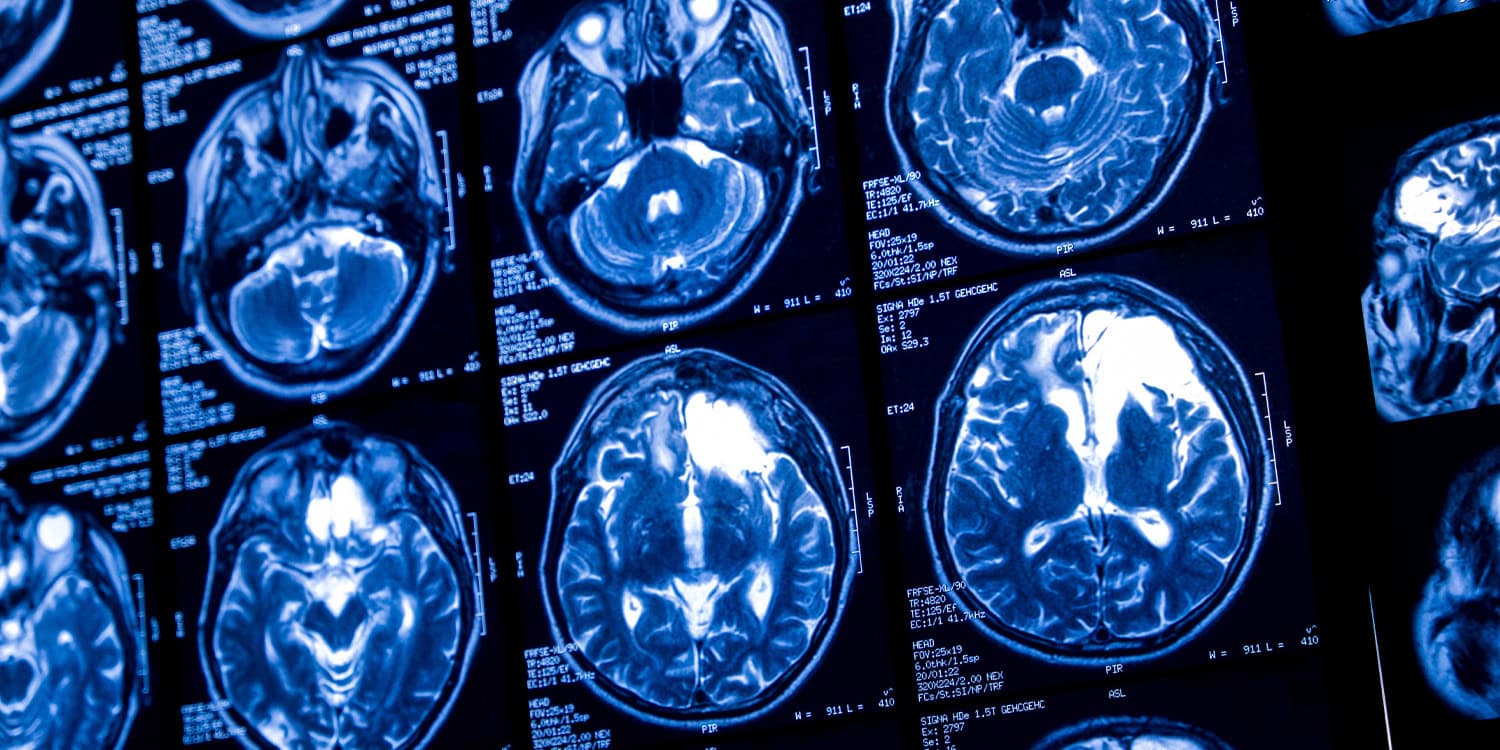
Creative drawing ability is associated with the structure of the wiring that links sensory, movement and thinking systems across the brain, according to a study published in Cerebral Cortex. The findings suggest that creativity draws on many connected brain systems rather than a single “creative center.”
Creative thinking has often been linked to several large brain networks involved in imagination, attention and decision-making. These networks allow people to generate unusual ideas and then decide which ideas are useful or worth developing. However, less is known about the physical wiring that allows these networks to communicate.
That wiring is provided partly by white matter, which consists of bundles of nerve fibers connecting different parts of the brain. Earlier studies of white matter and creativity have produced mixed results, with some finding positive links and others finding negative ones. The researchers examined whether the condition of these pathways was related to people’s ability to produce creative drawings, and whether a newer brain-imaging measure could reveal relationships missed by a more traditional one.
Led by Julius Voss of the University of Graz in Austria, the team studied 142 adults aged 18 to 38 (average age 24.06 years; 85 women and 57 men). Most were students, and because the study was part of a larger project on physical activity, all were right-handed and had largely sedentary lifestyles. Participants completed a drawing task in which they were given six fragments of lines and shapes and asked to turn them into a finished picture within 15 minutes.
The drawings were scored using the Test for Creative Thinking–Drawing Production, a standardized creativity test. The scoring considered not only how unusual the drawings were, but also how they built on the given fragments, their composition, emotional expression, humor, use of the page and willingness to break conventional boundaries. Scores could reach 72 points, and participants averaged about 25.
Participants also underwent diffusion-weighted magnetic resonance imaging, which maps the movement of water through brain tissue. The researchers used this information to examine two features of white matter. Fractional anisotropy is a widely used measure of how consistently fibers are organized. Quantitative anisotropy provides additional information about the density of fibers and complex areas where pathways cross.
People with higher creativity scores tended to have higher quantitative anisotropy across a widespread network of white matter pathways, after accounting for age and sex. The associations were small to moderate in size. The most prominent links involved pathways connecting the cortex with deeper structures involved in movement, including the corticostriatal, corticopontine and corticospinal tracts, along with the medial lemniscus, a pathway that carries touch and body-position signals.
These pathways are traditionally associated with movement and motor control, but research suggests they also support processes such as goal-directed behavior, creative imagery and mental flexibility. Many of the corticostriatal and corticopontine fibers linked to creativity arose from rear and visual regions of the cortex, which the authors suggest points to an important role for visual input in drawing creativity.
The study also found associations in the corpus callosum, which connects the two halves of the brain, and in the inferior fronto-occipital fasciculus and inferior longitudinal fasciculus, long pathways that link visual areas with frontal and temporal regions. Because these pathways support several of the large networks tied to creative thinking, the authors suggest the results fit models in which creativity depends on communication across networks.
Quantitative anisotropy detected broader and stronger associations than fractional anisotropy. The traditional measure did not produce statistically significant results at the study’s main threshold, although weaker positive associations, mostly overlapping with the quantitative anisotropy findings, appeared below it. No negative associations emerged with either measure, unlike some earlier studies that used verbal tasks.
The researchers argued that quantitative anisotropy may be better at capturing complex fiber structures, such as areas where pathways cross. They concluded that their results are consistent with the idea that “the performance of creative ideation is not driven by single dominant connections, but rather emerges from the dynamic interplay of numerous partially overlapping network resources.”
There are a few things to keep in mind. The study measured only drawing-based creativity and did not assess other forms, such as writing or improvisation. Because the data were collected at a single point in time, the study cannot show that stronger white matter makes people more creative.
The sample was young, highly educated and largely sedentary, which limits how widely the findings apply. The researchers also did not account for intelligence, which is linked to both creativity and white matter measures, and preliminary analyses hinted that the associations might differ between women and men, a question the study’s uneven split of women and men made hard to test.
The study, “Creativity: a (white) matter of connectivity,” was authored by Julius Voss, Karl Koschutnig, Patrick Klepits, Corinna M. Perchtold-Stefan, Christian Rominger and Andreas Fink.