


At this stage of the year, parents all over the country are opening their wallets and hitting their local big-box stores to stock up on back-to-school items. And many are straining their budgets to do so.A good 45% of parents plan to take on debt to pay for back-to-school shopping this year, according to Credit Karma.And all told, parents expect to spend a collective $30.4 billion on back-to-school items for K-12 students, according to Deloitte. That amounts to an average of $557 per student.All of this is coming at a time when broad inflation is up 3.5% year over year, according to the most recent Consumer Price Index.Given that so many families are struggling financially due to general economic circumstances, a lot of parents will be seeking out deals in the coming weeks. That presents a huge opportunity for Costco. Yet it’s one the warehouse club giant isn’t really taking advantage of.Costco misses a key opportunityMembers who head to Costco expecting aisles full of notebooks, pencils, crayons, and folders may be surprised.While the warehouse club offers plenty of products aimed at students, it has never made traditional school supplies a major category. Related: Walmart quietly found a way to undercut Costco on gasA look at Costco’s online school supply assortment shows only a limited selection of writing supplies, with just a handful of products available compared to mass retailers that devote entire departments to back-to-school merchandise.Costco does have more to offer in non-school supply categories, like backpacks, apparel, and electronics. But it’s missing out on a big share of the $30.4 billion consumers anticipate spending this year.
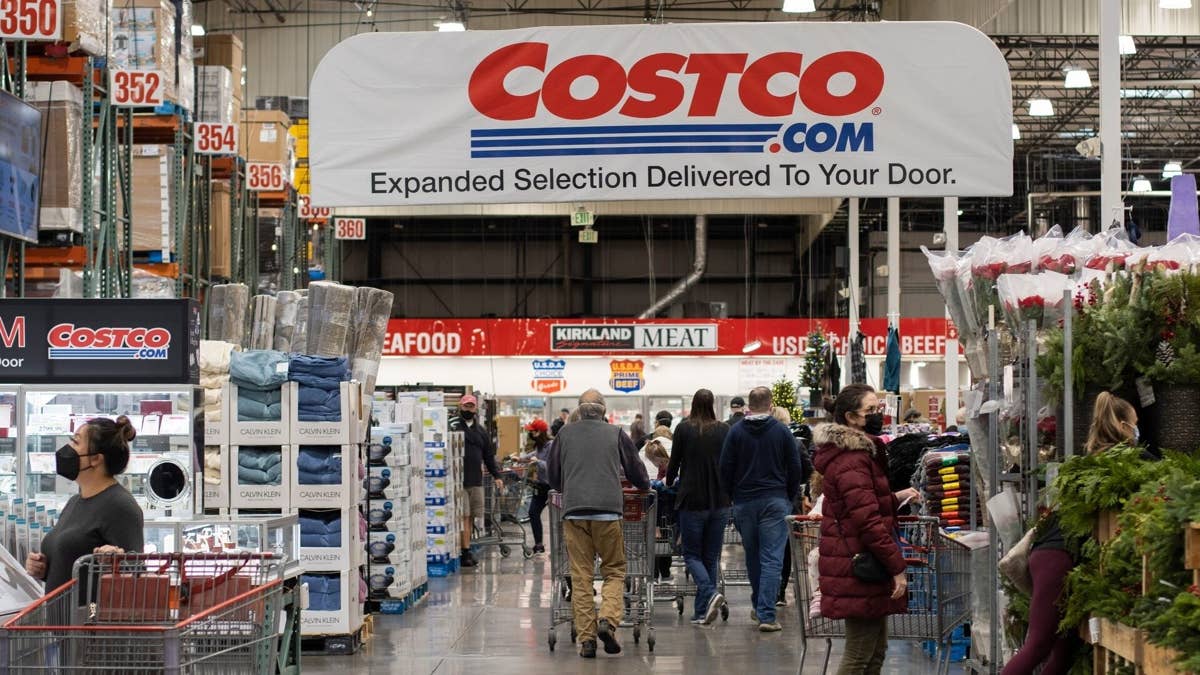
Costco has no plans to capitalize on the back-to-school shopping spree this year.Shutterstock
Costco’s back-to-school shopping strategy is deliberateCostco’s limited school supply assortment may seem like an oversight. But it’s actually a reflection of how the company operates.Costco’s merchandising strategy is built around offering a carefully curated selection of products that deliver exceptional value through larger package sizes and high sales volume. Rather than stocking dozens of brands and product variations, Costco typically limits shoppers to one or two options in a category.More Retail:Costco sees major shift in member behaviorRetail chain shuts all locations as legal changes hit industryCostco makes major investment in online shopping for membersThat model works well for products families buy in large quantities, such as paper towels, bottled water, snacks, and household essentials. School supply shopping, however, often looks very different.Many teachers provide highly specific lists that call for exact notebook sizes, folder colors, glue sticks, dry-erase markers, or other individual items. Parents frequently need small quantities of each product instead of warehouse-sized multipacks, which doesn’t fit Costco’s bulk-first approach.Costco can’t compete with discount chainsCostco also has another merchandising principle that shapes its assortment. The company generally avoids carrying products unless it believes it can offer members a compelling value. If Costco can’t negotiate pricing that allows it to sell an item at a better value than competitors while maintaining its quality standards, it often chooses not to carry the product at all.As Costco CEO Gary Millerchip said during the company’s most recent earnings call, “Our goal is to be the first to lower prices where we see opportunities to do so.”That philosophy makes commodity school supplies especially challenging. Chains like Dollar Tree and Dollar General have built their businesses around low-priced everyday items, making school supplies a natural fit.Parents can often buy individual notebooks, folders, pencils, and other classroom essentials for around a dollar or less, allowing them to purchase exactly what appears on a teacher’s supply list without paying for larger quantities. Competing against deeply discounted promotions on individual items isn’t consistent with Costco’s business model. Instead, Costco focuses its back-to-school assortment on categories where its buying power and bulk purchasing model can create more meaningful savings, such as the electronics category.Ultimately, Costco’s approach to inventory and product curation makes it difficult for the company to compete on school supplies. That may leave some members disappointed, but it makes sense for the company’s business model.Maurie Backman owns shares of Costco.Related: Costco makes big investment to keep members coming back