


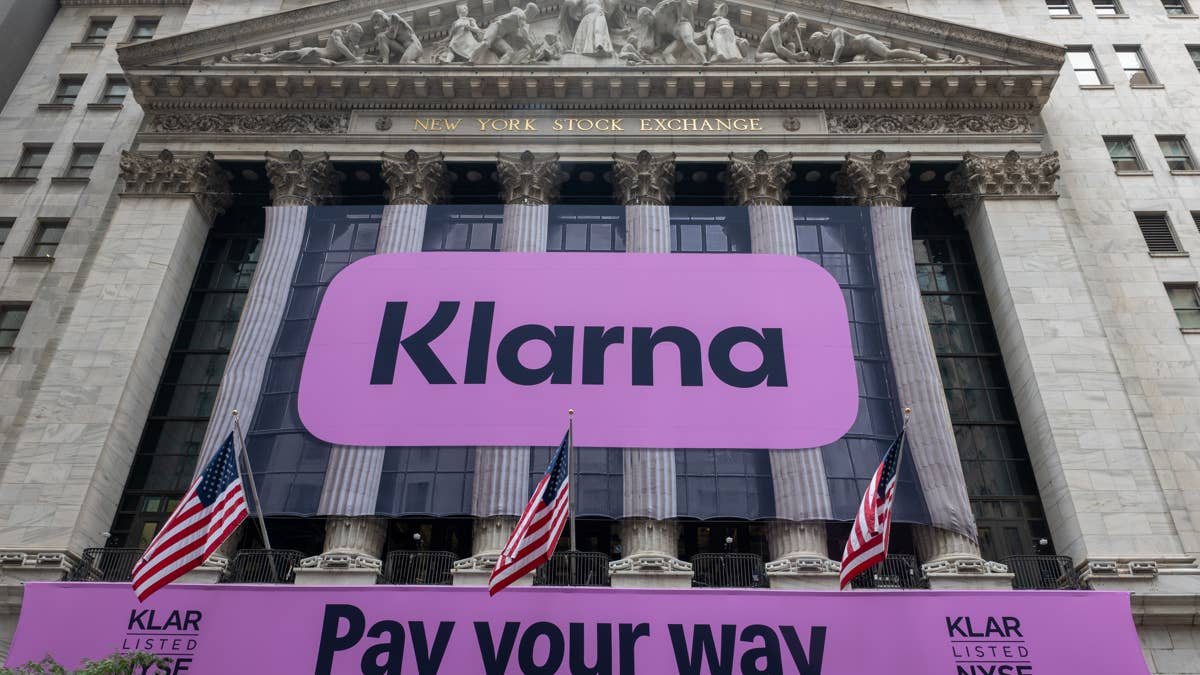
It seems that the line between bank and fintech company is increasingly blurring.When I first started out as a reporter, fintech was all the rage. It was the new generation of finance that was going to completely change the banking world.Well, it seems now that things have gone backward, as fintech companies are asking to become regulated by the very industry they once sought to change. And now the most recent fintech company to ask for a US bank license is also a Buy Now Pay Later app.The bank charter gold rushIt seems everyone in the fintech world wants to get their hands on a banking license.This isn’t new. It’s been happening for several years, according to Bloomberg.But the rate of applications has increased during U.S. President Donald Trump’s second term. The Office of the Comptroller of the Currency received more bank charter applications in the past six months than in the previous four years combined, Fintech Futures found.That might have something to do with an increasingly fast approval rate under the current administration for things like mergers and acquisitions, as sources previously told TheStreet.While some fintechs are applying for banking charters, others are buying it by merging with banks, as in the case of OppFi, TheStreet reported.Fintech companies that want to become banksPayment company Square received a banking license in 2020, according to PYMNTS.com.BNPL company Affirm applied for a banking license in January, reports American Banker.Even PayPal is trying to become a bank, after applying for a charter in 2025, the company announced. Having a banking license also gives fintechs more leverage to offer more services, and in turn, more customers (and money).Which might explain why BNPL company Klarna has applied to become a licensed bank in the U.S.
Klarna has applied for an ILC bank charter.Getty Images
Banking on a charter loopholePayments provider firm Klarna submitted an application in Utah and with the Federal Deposit Insurance Corporation (FDIC) to become Klarna Bank, it announced July 6.It’s specifically asking for an ILC charter, which allows companies to bypass Federal Reserve oversight if they don’t offer deposit accounts, a loophole that some say should be closed, according to TheBanker.More bank newsPNC launches new app to beat rivals174-year-old bank closing more branchesFintech firm that raised $200 million files for Chapter 7The Swedish firm has been in business since 2017. It’s been offering services to Americans through partner banks since 2019, with access to $91.3 billion in credit, the company said in a press release.”Banking is built on trust,” said Sebastian Siemiatkowski, co-founder and CEO of Klarna. “We’ve seen firsthand the appetite for a fairer, more transparent approach in the U.S., and our own banking license is the natural next step, giving customers tools to borrow responsibly and build financial confidence, while bringing greater competition, innovation, and choice to consumers and merchants alike.”If Klarna’s application is approved, it says it would operate in Utah and bring its banking in-house rather than rely on bank partners.The company went public last year but its stocks have lost about half of their value since then.Related: PayPal bites the bullet on Venmo privacy changes