

Wall Street’s nerves weren’t just about last week’s market rout. Investors were already bracing for what the Fed’s Dec. 9 meeting could bring.
After the Federal Reserve resumed raising interest rates in September (its first hike since July 2023) and officials pointed to more tightening ahead, markets finally started to crack. Stocks stumbled through a bruising seven-day losing streak, Treasury yields hovered around 5%, and corporate borrowing costs surged sharply.
Now, billionaire hedge fund manager and Pershing Square CEO Bill Ackman is stepping directly into the central bank’s path. In a viral X post on Sunday, Nov. 22, the Pershing Square CEO warned policymakers that they were potentially going to trigger an avoidable downturn.
In doing so, he pointed to a jaw-dropping financing shock at Elon Musk’s SpaceX (SPCX) to expose what he argues is a dangerous flaw inside the Fed’s sacred 2% inflation rule.
Why SpaceX’s debt shock anchors Ackman’s Fed warning
Ackman opened his post bluntly,
“I think the Fed is about to make another mistake on December 9th. Financial conditions have tightened massively.”
To illustrate his point to investors on why another hike could break something, he zeroed in on corporate credit,
“For example, SpaceX, an investment grade company, just raised secured debt financing at an 8.259% interest rate versus below 6% for its unsecured bond offering at the time of its IPO.”
Read more: Nvidia stock soars 30% after brutal selloff as Jensen Huang returns
For perspective, SpaceX’s $32 billion debt sale on Nov. 19, led by a $25.2 billion tranche yielding 8.259% to fund Nvidia AI chips, was backed by collateral, which usually makes borrowing cheaper than unsecured debt.
Paying over two percentage points extra for secured financing, comfortably above the 6% U.S. high-grade bond average, points to the fact that credit markets are slamming the brakes.
Ackman added,“The cost of equity capital has also increased materially with the recent substantial decline in the stock market.”
From there, Ackman targeted the Fed’s 2% Personal Consumption Expenditures (PCE) goal.
“The Fed’s 2% inflation ambition is misguided,” he wrote, pointing to “geopolitical risk and the required investment in global military spending, deglobalization and tariffs, and the massive AI infrastructure and related energy investment.”
Ackman believes that the 3% inflation goal is a far more realistic level in today’s economy. He warns that if the Federal Reserve continues to raise interest rates to push inflation down to 2%, it could potentially trigger a recession in the U.S. and worldwide.
September’s core PCE inflation stood at 3.12% as covered by CNBC, close to Ackman’s suggested level but still well above the Fed’s 2% target.
Wall Street’s tightening alarm, and the pushback against 3%
Ackman isn’t shouting alone.
Goldman Sachs data showed that the U.S. financial conditions just logged their sharpest weekly tightening since March 2020, as Bloomberg’s U.S. high-yield credit spread widened 23 basis points Friday to 367 basis points.
For perspective, that’s the highest level since early 2025’s tariff turmoil. Treasury Secretary Scott Bessent echoed the concern on CBS Sunday, “Many people believe that they may be making a policy mistake if they overtighten.”
Still, Ackman closed his post with a challenge and apparently Fed hawks and economists have pointed answers.
First, policymakers argue the economy remains too resilient to blink.
The Fed continued to keep interest rates at 3.75%–4.00% in October, with officials voting 10–2. But Governor Lisa Cook warned on Friday that policymakers cannot afford to wait, while estimating inflation at 3.8%.
More SpaceX:
SpaceX fires back at T-Mobile over desire to harm Starlink
SpaceX’s multi-trillion-dollar case rests on a bet not yet launched
Bank of America sends SpaceX stock investors strong signal
Governor Christopher Waller even suggested a possible half-point rate hike in December. Meanwhile, BNP Paribas economist James Egelhof expects three smaller rate increases, which would bring rates to 4.5%–4.75%.
His rationale is that the economy remains robust, with 165,000 jobs added in October despite higher borrowing costs.
Second, contrarians warn that moving the goalposts to 3% while headline PCE sits around 3.65% risks shredding Fed credibility while pushing long-term bond yields higher. CreditSights analyst Davis Hebert said SpaceX has to offer its investors a high 8.259% interest rate primarily because buyers lost money on its earlier June bonds.
That suggests the worries about heavy AI spending, and not just Federal Reserve policy, were pushing borrowing costs higher.
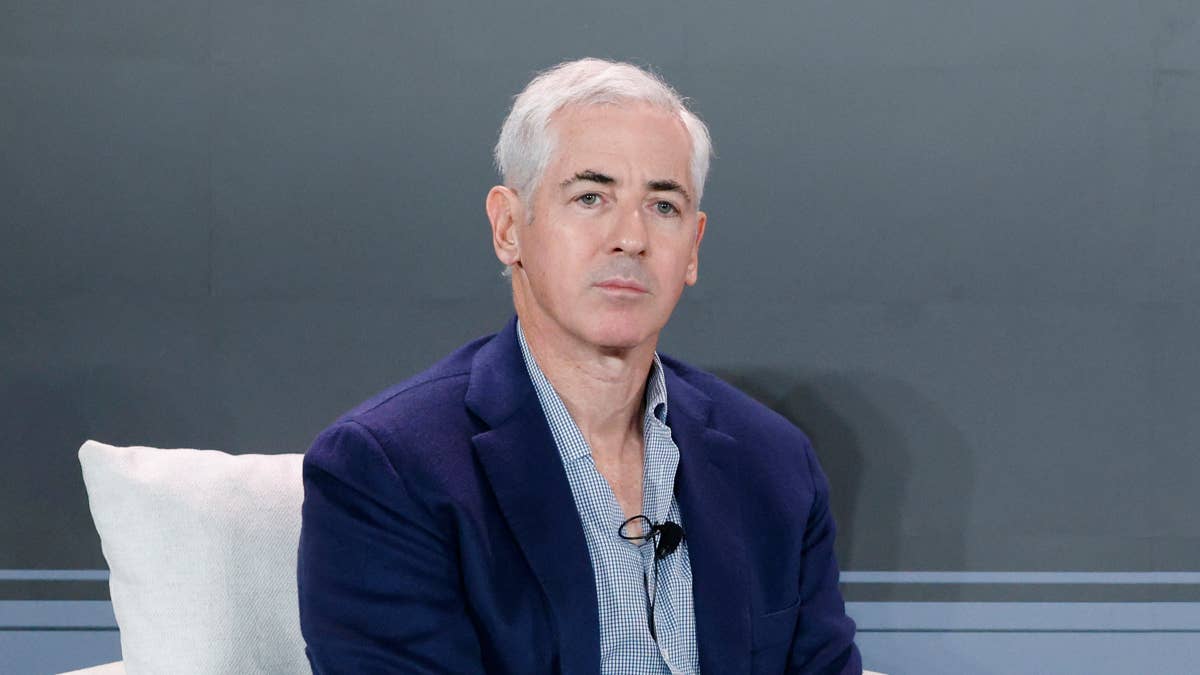
Bill Ackman cited SpaceX borrowing costs while challenging the Fed’s inflation target. Kimberly White / Getty Images
What the 2% vs. 3% showdown means for your portfolio
With CME FedWatch pricing in an around 89% to 91% odds of a December 9 quarter-point hike as reported by Binance, investors need to stop hoping the Fed pivots and position for tighter money.
First, Nov. 25 is a big date to track for the October PCE inflation report.
A print below Cook’s 3.8% estimate could potentially ignite a sharp relief rally across beaten-down growth stocks; a hotter reading locks in December tightening and strengthens bets on January hikes.
Second, it would be wise to use SpaceX’s 8.259% yield as a portfolio stress test. If an investment-grade powerhouse is having to pay over 8% for secured financing, debt-heavy tech names and leveraged AI landlords could potentially be in for some painful refinancing walls.
Hence, it would be prudent to tilt towards cash-rich companies funding growth from internal cash flow instead of stressed credit markets.
With 2-year Treasury bonds yielding nearly 4.65% and 10-year bonds around 4.95%, shorter-term Treasuries offer attractive income with less risk. They can also help protect investors from price losses if inflation is hovering near 3% and longer-term interest rates rise above 5%.
Related: Bank of America raises Fed interest rate warning after October CPI surprise