

Nvidia (NVDA) reported $115.84 billion in revenue for its fiscal third quarter, surpassing analyst estimates by more than $7 billion. Data center revenue climbed 110% from the same period a year earlier. The company guided for $130 billion in its current quarter.
Shares fell nearly 30% over the past month and Nvidia is working through a leadership transition that began with Jensen Huang’s resignation. That transition now includes a formal board investigation, a newly formed oversight committee, and a CEO search with no announced timeline.
Also read: Bank of America doubles down on Nvidia ahead of earnings
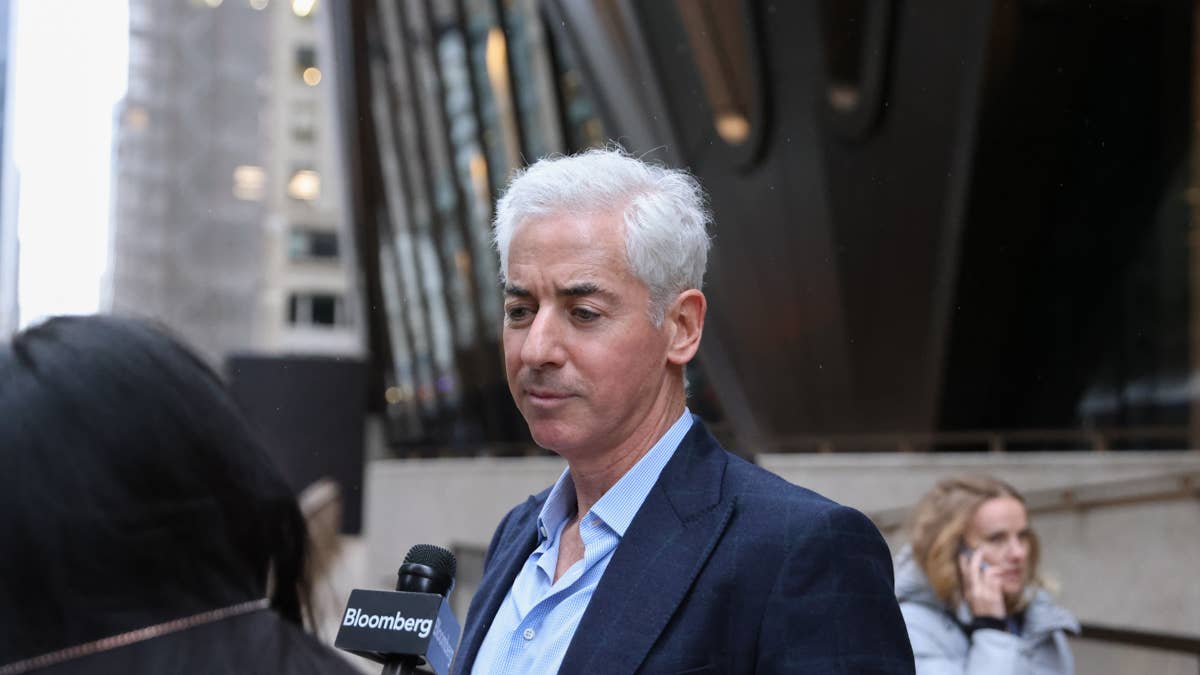
Pershing Square Capital Management CEO Bill Ackman entered that situation on Nov. 18. His criticism is not about Nvidia’s business results. It is about how the board handled the moment that set all of this in motion.
What Ackman told Nvidia’s shareholders
In a Nov. 18 post on X, Ackman said Nvidia’s board is “not acting in the best interest of shareholders” and is failing to meet its fiduciary duties to investors. He described the events surrounding Huang’s departure as a series of major governance failures, saying directors reacted to media coverage before completing a proper investigation.
He accused the board of moving too quickly. Directors “rushed to judgment,” Ackman said, without adequate due diligence before making a decision of that magnitude. He also said the board ruled out Huang’s return as CEO before the investigation had concluded.
He outlined a potential path for shareholders to press for Huang’s reinstatement if he is cleared of any national security concern. Pushing for reinstatement would require other large investors to get behind the effort. Ackman framed it as a matter of fiduciary duty, not personal support for Huang.
Nvidia Chairman Harvey Jones responded that Huang “voluntarily resigned” after disclosing personal behavior inconsistent with the company’s code of conduct. The board accepted the resignation unanimously, Jones said. It does not intend to reinstate Huang as CEO.
The earnings that arrived mid-controversy
Nvidia reported the third-quarter figures as the governance dispute intensified. Revenue of $115.84 billion represented a 103.2% year-over-year increase and came in well above the $108.73 billion analyst consensus.
Non-GAAP earnings per share were $2.68, above the $2.47 estimate. Nvidia issued fourth-quarter guidance of $130 billion, plus or minus 3%.
Data center revenue was $107.6 billion, up 110% year over year. That segment, which sells chips and systems to cloud providers and enterprise AI customers, has been Nvidia’s primary growth driver.
The stock closed at $152.15 on Nov. 19. Shares were down 12.42% for the week, 29.91% for the past month, and 18.23% year-to-date. The stock is up more than 363% over five years. Shares fell despite the latest earnings beat as investors shifted focus to the leadership situation.
Nvidia (NVDA) reported $115.84 billion in revenue for its fiscal third quarter, surpassing analyst estimates.VCG / Getty Images
Why filling Huang’s role is not a simple search
Huang helped build Nvidia over more than three decades. He was central to Nvidia’s product decisions and its relationships with major customers. He also built the company’s standing in the AI supply chain through years of direct engagement with the technology firms driving demand.
Former Chief Financial Officer Colette Kress has been named interim CEO. Kress spent more than a decade at Nvidia and was part of the management team during the company’s rise into one of the most valuable technology businesses in the world. The board has expressed confidence in her and in the existing team.
Huang forfeited approximately $108 million in stock awards and received no severance. He left both the CEO role and his board seat. Under the company’s bylaws, he retains the ability to nominate two directors if he meets the three-year ownership test.
More Nvidia:
Microsoft just gave Nvidia shareholders a reason to pay attention
Nvidia has a stake in SpaceX that came from an unexpected place
Nvidia’s $12.9 billion deal could shape the AI apps you use
Nvidia also established a national security and export control oversight committee as part of its response to the departure. Elon Musk and CNBC’s Jim Cramer have both publicly questioned whether the board acted correctly. That attention adds to the pressure on directors already managing an investigation and a CEO search simultaneously.
What shareholders and the board need to resolve
Nvidia’s third-quarter filings listed the leadership transition and ongoing board investigation among its risk factors. The company oversees roughly $390 billion in supply commitments and approximately $118 billion in guarantee exposure. Those obligations require consistent strategic direction.
Nvidia’s next permanent CEO will take over a company generating more than $100 billion in quarterly revenue. The role also includes managing a supply chain at the center of the global AI buildout and customer relationships that Huang built directly over years. A new CEO will need to maintain those relationships actively.
Ackman has laid out a shareholder campaign to press for Huang’s reinstatement if the investigation clears him. How major institutional holders respond will determine whether the governance pressure on the board intensifies. Index fund managers, whose votes could be decisive in any formal challenge, have not publicly stated their positions.
Fourth-quarter results will be the first test of how the company performs during the transition. The $130 billion guidance is well ahead of what Nvidia delivered a year ago. Whether the company meets that figure while managing an ongoing investigation and an open CEO seat will be one of the more closely watched questions heading into 2027.
Related: Jim Cramer has a strong take on Nvidia’s next chapter