


Eating a diet rich in plants, fish, and olive oil tends to be associated with better mental health and emotional resilience in older adults. A recent study published in the journal BMJ Open suggests that following a Mediterranean style of eating provides a protective buffer for psychological well-being, even during periods of widespread societal stress like the COVID-19 pandemic. These findings provide evidence that nutrition plays an important role in helping aging populations maintain a positive outlook on life.
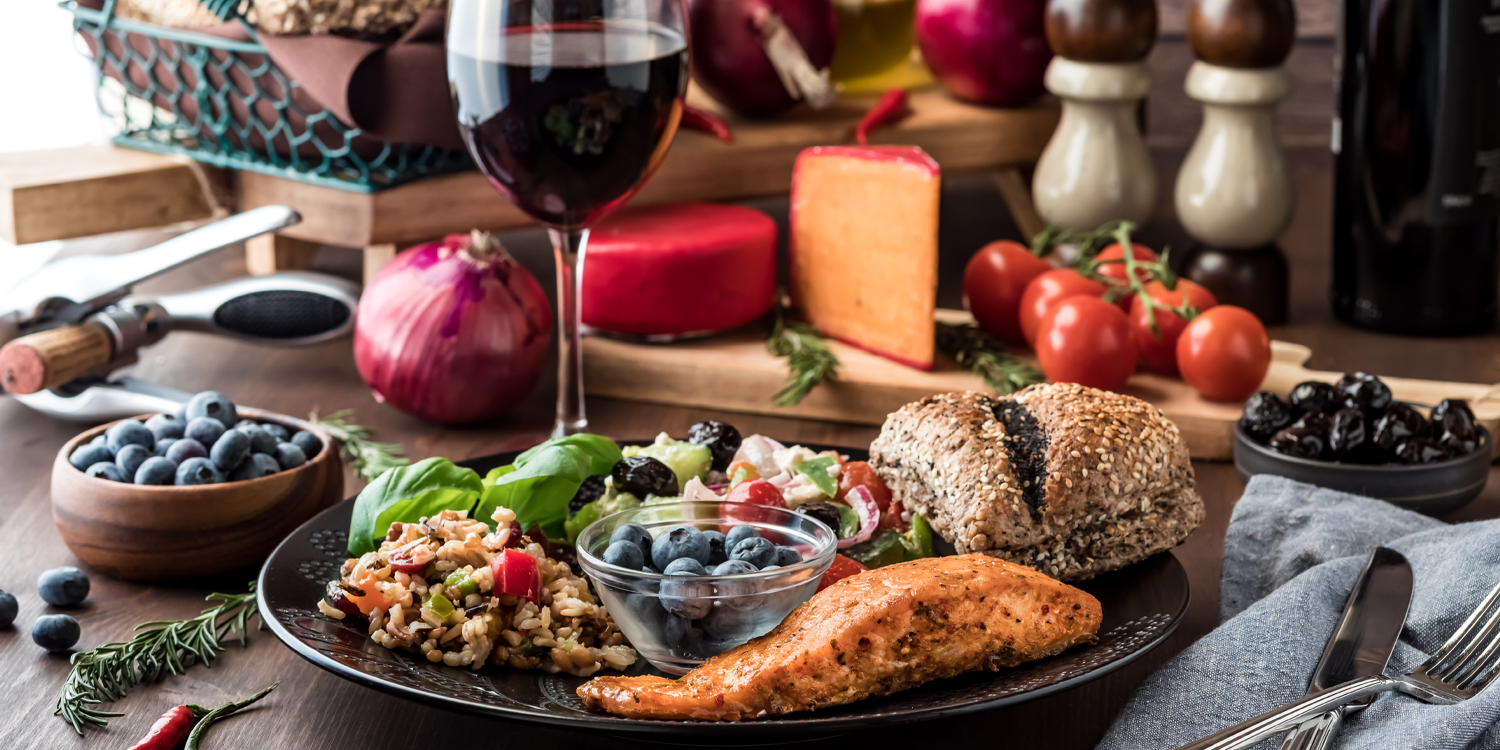
The Mediterranean diet is a way of eating based on the traditional foods of countries bordering the Mediterranean Sea. This eating pattern focuses heavily on plant based foods like vegetables, fruits, beans, nuts, and whole grains, while relying on fish and extra virgin olive oil as primary sources of fat. It generally limits the intake of red meat, dairy products, and processed sweets. Extensive research links this specific combination of foods to better physical health, including a lower risk of heart disease and clinical depression.
While scientists know that good nutrition helps prevent negative mental states like depression, there has been less focus on how food affects positive psychological well-being. Positive well-being is not simply the absence of sadness or anxiety. It involves active, positive states of mind, such as feeling a sense of control, independence, purpose, and general enjoyment of life. This kind of positive psychological state is linked to longer survival and reduced disability in older age.
The research team, consisting of Andrew Steptoe and Alanna Jo Shand from University College London, along with Camille Lassale from the Barcelona Institute for Global Health, wanted to see if eating habits influence these positive feelings. They specifically looked at older adults to see if a Mediterranean diet could support an active, meaningful mindset during the aging process. They also wanted to test how this relationship held up when people faced sudden, severe emotional challenges.
To investigate this, the researchers analyzed data from the English Longitudinal Study of Ageing. A longitudinal study is a research design that involves repeated observations of the same variables over a long period of time. This specific project tracks the health, economic circumstances, and social lives of older adults in England. For this analysis, the team included 3,296 men and women who were 50 years of age and older, with an average age of about 68 years.
Between 2018 and 2019, these participants completed a detailed online dietary assessment. To measure dietary habits, the participants used an internet based tool that asked them to recall everything they ate and drank over two separate 24 hour periods. The survey included images of portion sizes to help the participants report their food intake as accurately as possible. The tool tracked more than 200 different food and beverage items to calculate exact nutritional intake.
The researchers then scored these food responses using a metric known as the relative Mediterranean Diet Index. This index grades how closely a person’s eating habits match the traditional Mediterranean diet on a scale from zero to 18. Higher scores indicate a stronger adherence to the diet. A high score means the person eats more fish, legumes, and plants, consumes moderate amounts of alcohol, and eats very little meat and dairy.
To measure mental health, the participants answered a specific questionnaire designed to evaluate positive psychological well-being. This survey asks individuals to rate statements about their independence, their energy levels, and whether they feel their life has meaning. The scientists collected these well-being scores during the initial 2018 to 2019 period. They also collected the well-being scores again in June and July of 2020, during the early months of the COVID-19 pandemic, from a returning group of 3,023 of the original participants.
The initial analysis of the 2018 to 2019 data revealed a positive association between food choices and mental outlook. Participants who scored higher on the Mediterranean diet index also reported significantly higher levels of positive psychological well-being. This relationship held true even after the authors accounted for other factors that influence happiness. The researchers adjusted their statistical models to consider household income, education level, physical activity, smoking status, and existing physical illnesses.
Interestingly, the association remained significant even when the researchers factored in whether the participants had symptoms of depression. This detail suggests that positive well-being and depression are distinct experiences. A person might not have clinical depression, but they could still lack a sense of purpose or joy. The data provides evidence that the Mediterranean diet specifically supports the presence of positive feelings, rather than just preventing negative ones.
The follow up data from the summer of 2020 allowed the scientists to see how dietary habits interacted with a major stressful event. As expected, the restrictive lockdown measures, social isolation, and general fear surrounding the early COVID-19 pandemic caused a drop in positive psychological well-being across the study group. People generally reported feeling less control and less enjoyment in their daily lives.
However, the individuals who closely followed a Mediterranean diet before the pandemic experienced a smaller decline in their well-being. Even after accounting for whether the participants actually caught the COVID-19 virus, the dietary association remained. The data suggests that this way of eating acts as an emotional buffer. It appears to help older adults maintain their sense of purpose and joy even when faced with significant societal disruption and stress.
While these findings are informative, there are several limitations to keep in mind. Because the study relies on observation rather than a controlled experiment, the authors cannot claim that the Mediterranean diet directly causes better mental health. It is highly possible that people who already feel happier and more purposeful are simply more motivated to choose healthy foods. This type of two way relationship is common in nutritional science.
The study also relied on an online nutritional survey, which might have excluded older adults who are less comfortable with computers or the internet. In fact, the researchers noted that participants who completed the dietary survey tended to be wealthier, more educated, and generally healthier than those who skipped it. This means the study group might not perfectly represent the entire aging population in England.
In addition, the reliance on self reported memory for what people ate over just two days might not perfectly reflect their usual long term habits. The study group was also predominantly of white ethnic origin, meaning the findings might not completely apply to other racial or ethnic groups. Future research will need to track more diverse populations over longer periods of time to better understand this relationship.
Scientists also hope future studies will explore the exact biological mechanisms connecting food to mood. Current theories suggest that the high amounts of dietary fiber, omega-3 fatty acids, and polyphenols found in the Mediterranean diet play a protective role. Omega-3 fatty acids are healthy fats found in fish that support brain health, while polyphenols are chemical compounds found in plants that protect cells from damage. By reducing inflammation and improving the community of bacteria in the digestive tract, these nutrients might support better brain function and a more stable, positive mood.
The study, “Adherence to the Mediterranean diet and psychological wellbeing before and during the COVID-19 pandemic: a prospective analysis of the English Longitudinal Study of Ageing,” was authored by Andrew Steptoe, Alanna Jo Shand, and Camille Lassale.