

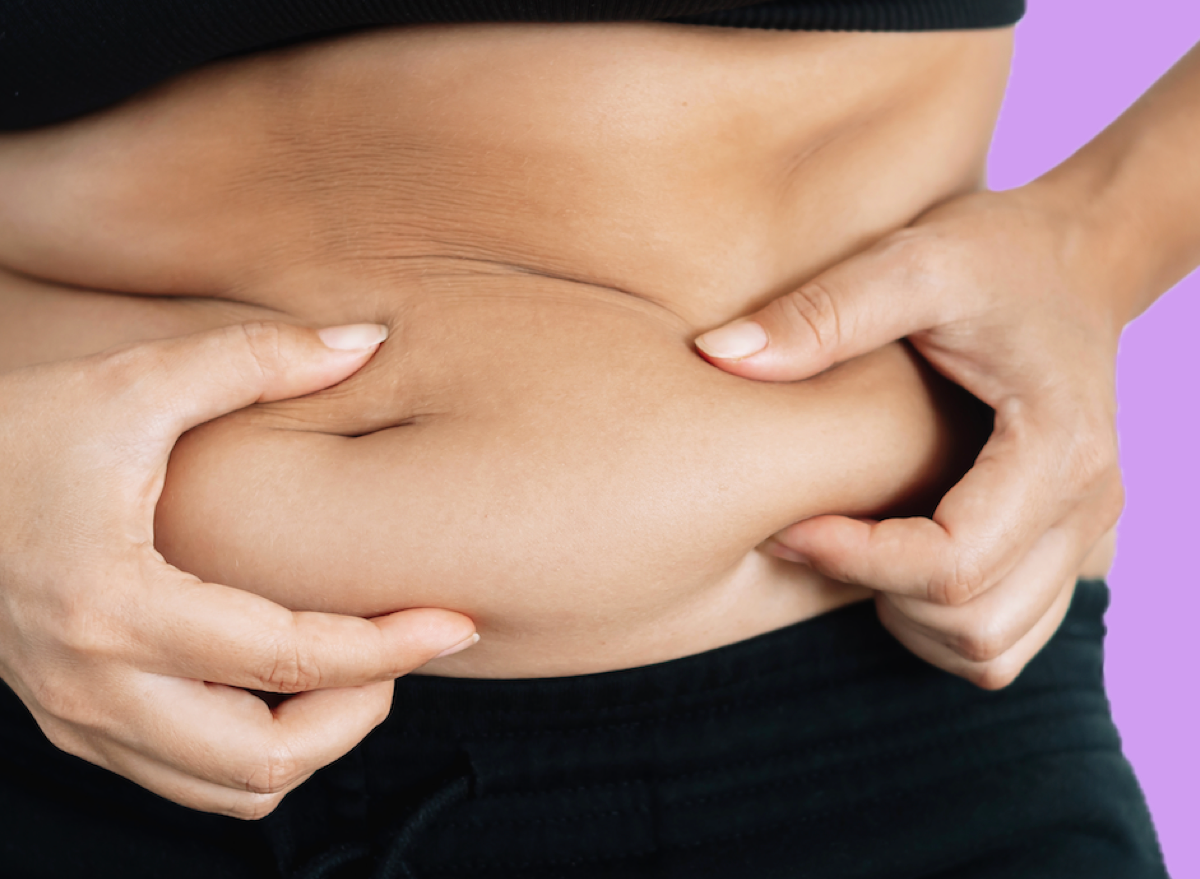
[[{“value”:”Morning is a strong time to build momentum for belly-overhang goals. A short session can boost your effort, get your core working, and help you start the day with movement already checked off. After 55, the workouts that usually stick are the ones you can repeat without overthinking them.
Flattening belly overhang comes from the bigger picture. Strength training, daily walking, protein-forward meals, steady sleep, and a calorie intake you can maintain all help drive fat loss. Core exercises work best when they support those habits and give your midsection a useful role during fuller-body movement.
Crunches train one narrow pattern. Morning exercises can do more by getting your abs, legs, hips, and upper body working together. That helps the workout feel more productive while keeping the session short enough to fit before the day gets busy.
The exercises below move from controlled floor work to standing and low-impact movements that raise your effort. You’ll build core control, train your waist, engage your legs, and finish with an active plank variation to strengthen your midsection.
Dead Bug Heel Taps
Start here when you need control before pace. Dead bug heel taps help your abs keep your pelvis steady while you move one leg at a time. That gives your core a clear job without pulling on your neck or turning the movement into a sit-up. Keep the heel tap short at first, then build the range once your lower back stays steady.
Muscles Trained: Abs, deep core, hip flexors.
How to Do It
Lie on your back with your knees bent.
Lift your feet so your knees stack over your hips.
Brace your core and keep your lower back steady against the floor.
Lower one heel toward the floor.
Tap lightly, then bring the leg back up.
Switch sides and continue alternating.
Recommended Sets and Reps: Perform 2 to 3 sets of 8 to 10 reps per side.
Best Variations: Single-leg heel taps, smaller-range heel taps, slower heel taps.
Form Tip: Keep the tap small enough to keep your lower back steady.
RELATED: Stop Stretching One Muscle at a Time. These 5 Moves Work Your Whole Body
Chair Sit-to-Stand
Belly-overhang goals need more than small ab reps, and the chair sit-to-stand brings the legs into the session right away. Standing from a chair uses large muscles, which helps a short morning workout feel more productive. Your core also helps keep your torso organized as you rise and lower with control. Use a sturdy chair and make each rep smooth from the seat to the top.
Muscles Trained: Quads, glutes, hamstrings, abs.
How to Do It
Sit near the front edge of a sturdy chair.
Place your feet flat on the floor about hip-width apart.
Lean forward slightly.
Press through your feet and stand tall.
Lower yourself back to the chair with control.
Lightly touch the seat and repeat.
Recommended Sets and Reps: Perform 2 to 3 sets of 8 to 12 reps.
Best Variations: Hands-assisted sit-to-stand, slow sit-to-stand, sit-to-stand with a pause.
Form Tip: Press through your feet and stand tall without rocking for momentum.
Standing Cross-Body Knee Drive
This targets the waist more directly. As your knee travels across your body, your abs and obliques help guide the movement while your standing side keeps you balanced. It fits well in the morning because the setup is quick, the pace is easy to adjust, and the exercise adds a more athletic feel without impact. Keep your chest tall and make each knee drive crisp.
Muscles Trained: Abs, obliques, hip flexors, glutes.
How to Do It
Stand tall with your feet under your hips.
Brace your core.
Drive one knee across your body toward the opposite elbow.
Lower your foot with control.
Complete your reps, then switch sides.
Recommended Sets and Reps: Perform 2 to 3 sets of 8 to 12 reps per side.
Best Variations: Supported cross-body knee drive, smaller knee drive, slower cross-body knee drive.
Form Tip: Stay tall as the knee crosses your body.
RELATED: 4 Home Exercises That Firm Inner Thighs Faster Than Gym Sessions After 60
Low-Impact Jumping Jack
A little rhythm can change the whole feel of a morning workout. Low-impact jumping jacks raise your heart rate while keeping one foot on the floor, which makes the movement easy to scale. The arms and legs work together while your core keeps your posture tall. Start at a steady pace, then pick it up once your breathing feels controlled.
Muscles Trained: Calves, glutes, shoulders, abs, hips.
How to Do It
Stand tall with your feet together and your arms by your sides.
Step one foot out to the side.
Raise both arms overhead as you step.
Bring your foot back to the center.
Lower your arms to your sides.
Alternate sides at a steady pace.
Recommended Sets and Reps: Perform 2 to 3 sets of 30 to 45 seconds.
Best Variations: Slower step jack, arms-only jack, full jumping jack.
Form Tip: Keep the movement light on your feet and stay tall through your chest.
Plank Shoulder Tap
Finish with a plank variation when you want steady core tension with a little movement. Each shoulder tap creates a small weight shift, so your midsection has to stay braced as one hand leaves the floor. Move slower than you think you need to. Clean taps will do more for your abs than rushing through reps and letting your hips sway.
Muscles Trained: Abs, shoulders, chest, upper back, glutes.
How to Do It
Start in a high plank position with your hands under your shoulders.
Step your feet slightly wider than hip-width apart.
Brace your core and lightly squeeze your glutes.
Lift one hand and tap the opposite shoulder.
Place that hand back on the floor.
Switch sides and continue alternating.
Recommended Sets and Reps: Perform 2 to 3 sets of 8 to 12 taps per side.
Best Variations: Incline plank shoulder tap, wall shoulder tap, plank hold.
Form Tip: Keep your hips as still as possible during each tap.
RELATED: 5 Wall Exercises That Restore Walking Strength Faster Than Treadmills After 60
How to Dial In Belly-Overhang Progress After 55
Morning exercise can build momentum early, but visible change comes from what you repeat throughout the week. Use these moves three to five days per week, then support them with walking, strength training, and meals that help you manage calories without feeling drained. A short session works well when it feels easy to start and still counts. Keep the first round smooth, add effort as your body warms up, and give yourself a plan you can repeat tomorrow.
Use the morning as a cue: Attach the exercises to something already in your routine, like coffee or breakfast.
Walk most days: Daily walking adds low-stress movement and supports the calorie burn behind belly-fat loss.
Build meals around protein: Protein helps preserve muscle while you work toward a flatter midsection.
Keep the first set controlled: Start at a pace that lets you feel your abs working before you add speed.
Plan snacks ahead: A little structure around snacks can make calorie control easier to maintain.
Repeat the work often: Short morning sessions can build strength and consistency without taking over your day.
References
Schumacher, Leah M et al. “Consistent Morning Exercise May Be Beneficial for Individuals With Obesity.” Exercise and sport sciences reviews vol. 48,4 (2020): 201-208. doi:10.1249/JES.0000000000000226
Irving, Brian A et al. “Effect of exercise training intensity on abdominal visceral fat and body composition.” Medicine and science in sports and exercise vol. 40,11 (2008): 1863-72. doi:10.1249/MSS.0b013e3181801d40
The post 5 Morning Exercises That Flatten Belly Overhang Faster Than Crunches After 55 appeared first on Eat This Not That.”}]]