

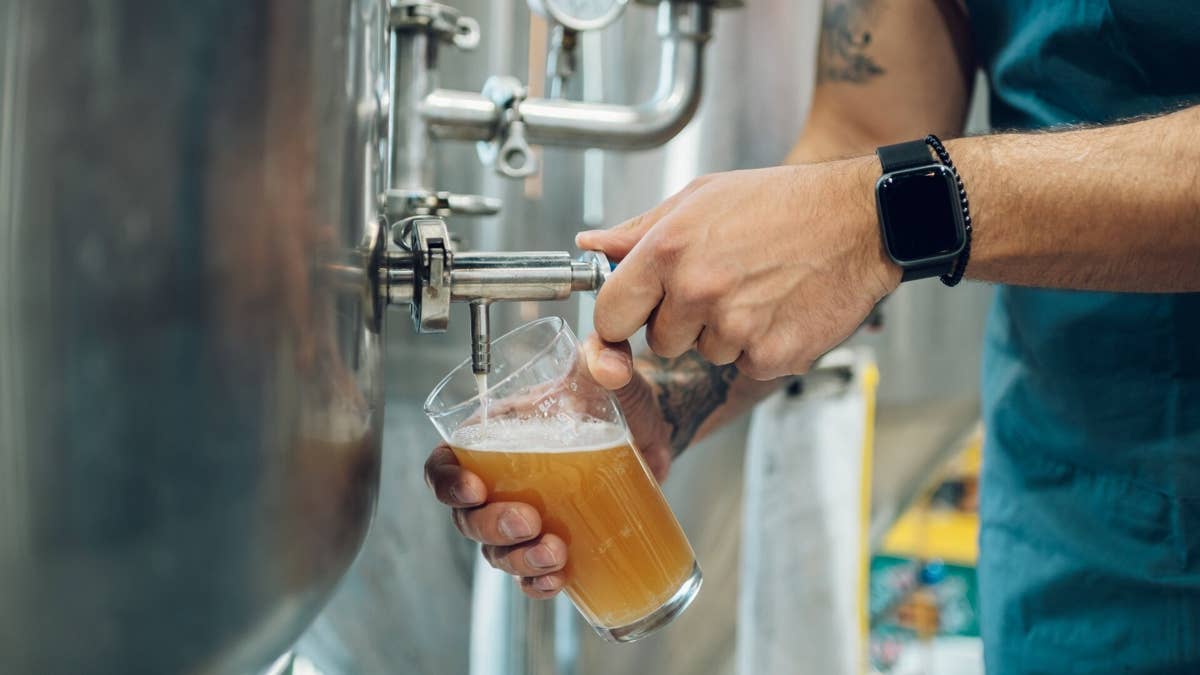
America had too many craft breweries.
That’s because, for many people, opening a brewery is a dream, even if it’s not a smart business plan. In boom times for the industry, an exuberant customer base can make up for a poor business plan, but when there’s a downturn, the fallout happens quickly.
The Brewers Association (BA) estimates craft volume declined 4% in the first six months of 2026, compared to the same period in 2025.
“The number of operating breweries also continued to decline. There were 9,344 breweries operating in June 2026, down 1.8% from 9,515 a year earlier in June 2025. This represents a slight uptick in the rate of decline, from -1% in the first half of 2025,” according to the BA’s 2026 Mid-Year Report.
In addition, the number of regional breweries and microbreweries each declined 3%, followed by taprooms at 2% and brewpubs at 1%.
“Because taprooms and brewpubs are far more numerous, those smaller percentage changes still represent meaningful absolute numbers of closures,” the trade group shared.
Now, three more breweries have filed Chapter 11 bankruptcy.
Clipper City, Corktown Taphouse, and Hidden Springs Ale Works file Chapter 11
Americans are drinking less beer.
“Beer continues to experience declines alongside other beverage alcohol categories. Wine & Spirits Wholesalers of America (WSWA) SipSource data showed spirits volume down 5.3% and wine down 9.2% for the 12 months ending May 2026,” according to the BA.
That has contributed to the decline in craft breweries, but those that have survived did report some good news.
“Every craft brewery type had a greater share reporting growth than decline, with taprooms (57% growing) and regional breweries (56% growing) leading the charge. Among breweries producing more than 10,000 barrels, 59% reported growth and just 40% reported declines,” according to BA data.
That’s encouraging, but it was not enough to stop the latest wave of Chapter 11 filings.
More breweries closed than opened this year.Shutterstock
Craft breweries have lost some sheen
Perhaps Americans have realized that liking beer, knowing how to brew it, and actually making it a business are very different things.
“The big change from a few years ago is not a huge jump in breweries closing. What’s changed is the number of breweries opening is going way, way down,” BA Economist Matt Gacioch told Cal Matters.
In West Palm Beach, Fla., where we have a condo, the Covid pandemic forced multiple breweries to close. In theory, that should make it easier for the remaining businesses, but having so many options actually led to brewery tours and the ability to create a sort of brewery district.
RTM Nexus CEO Dominick Miserandino thinks that America simply had too many breweries.
“At some point, every town decided it needed three craft breweries, a food truck, and a guy with a beard explaining the difference between two IPAs. It was fun, but how many breweries can one community really support?” he told TheStreet.
More Bankruptcy:
39-year-old travel agency shuts down in bankruptcy, cancels all flights
Major mattress chain files Chapter 11 bankruptcy
40-year-old fast-food franchisee files for Chapter 11 bankruptcy
It’s not that people don’t like breweries, but once the concept overexpanded, it made it harder to stand out.
“The novelty wore off, costs went up, and consumers started looking for something different. You can make the best beer in town, but that doesn’t mean enough people are going to buy it to keep the lights on,” he added.
Clipper City Brewing Company (Heavy Seas Beer)
Business: Clipper City Brewing Company, L.P., which operates as Heavy Seas Beer.
Location: Halethorpe, Maryland.
Court: U.S. Bankruptcy Court for the District of Maryland.
Case number: 1:26-bk-22440.
Filing: Voluntary Chapter 11, Subchapter V, designed for qualifying small businesses.
The company has been operating since 1995, giving it roughly 31 years in business.
The filing identifies the company as an asset case.
Its unsecured creditors include WestRock, MaltEurop, Ball Corporation, and Eco Global Logistics, according to reporting on the bankruptcy.
Chapter 11 does not automatically mean the brewery is closing. Maryland Bankruptcy Court+1Sources: Bankruptcy case and docket
Corktown Taphouse, Inc.
Business: Corktown Taphouse, Inc.
Location: Detroit, Michigan.
Court: U.S. Bankruptcy Court for the Eastern District of Michigan.
Case number: 2:26-bk-52232.
Filing: Voluntary Chapter 11, Subchapter V.
Debtor-in-possession: The company is seeking to reorganize while remaining in control of its business, subject to bankruptcy court oversight.
Cash collateral: The company filed a first-day motion seeking permission to use cash collateral.
Employee obligations: It requested authorization to pay employee obligations and have financial institutions honor outstanding employee-related payments.
Gift cards: It specifically requested permission to honor gift cards issued before the bankruptcy filing. This is particularly relevant to customers.Sources: Bankruptcy case and docket, Bankruptcy filing summary
3. Hidden Springs Ale Works
Business: Hidden Springs Ale Works.
Location: 1631 N. Franklin St., Tampa, Florida.
Court: U.S. Bankruptcy Court for the Middle District of Florida.
Case number: 8:26-bk-10287.
Filing: Voluntary Chapter 11, Subchapter V.
Corporate parent: The filing identifies 3G Holdings LLC as a corporate parent.
Largest creditors: The company filed a list of its 20 largest unsecured creditors on November 10. The names and amounts need to be pulled from that document.
Important distinction: The bankruptcy comes shortly after the brewery announced plans to close its Tampa Heights tasting room on Dec. 20 and find a new location.
Hidden Springs previously said it intended to continue brewing and distributing beer while searching for a new home. Its tasting-room closure announcement was not an announcement that the entire brewery was going out of business.Source: PacerMonitor
Related: Giant toilet paper supplier files Chapter 11 bankruptcy