

[[{“value”:”If you think back on your youth, you might remember family road trips, birthdays, and after-school hangouts. Restaurants often become fixtures in those memories. While today’s dining is dominated by massive corporate chains, Baby Boomers grew up with a different restaurant landscape: smaller, regional chains that had their own personalities, with memorable experiences like watching bees make honey through a glass wall or putting coins into an automat. These chains may be forgotten by younger generations, but they still hold a special place in the hearts of the people who grew up with them.
Bill Knapp’s
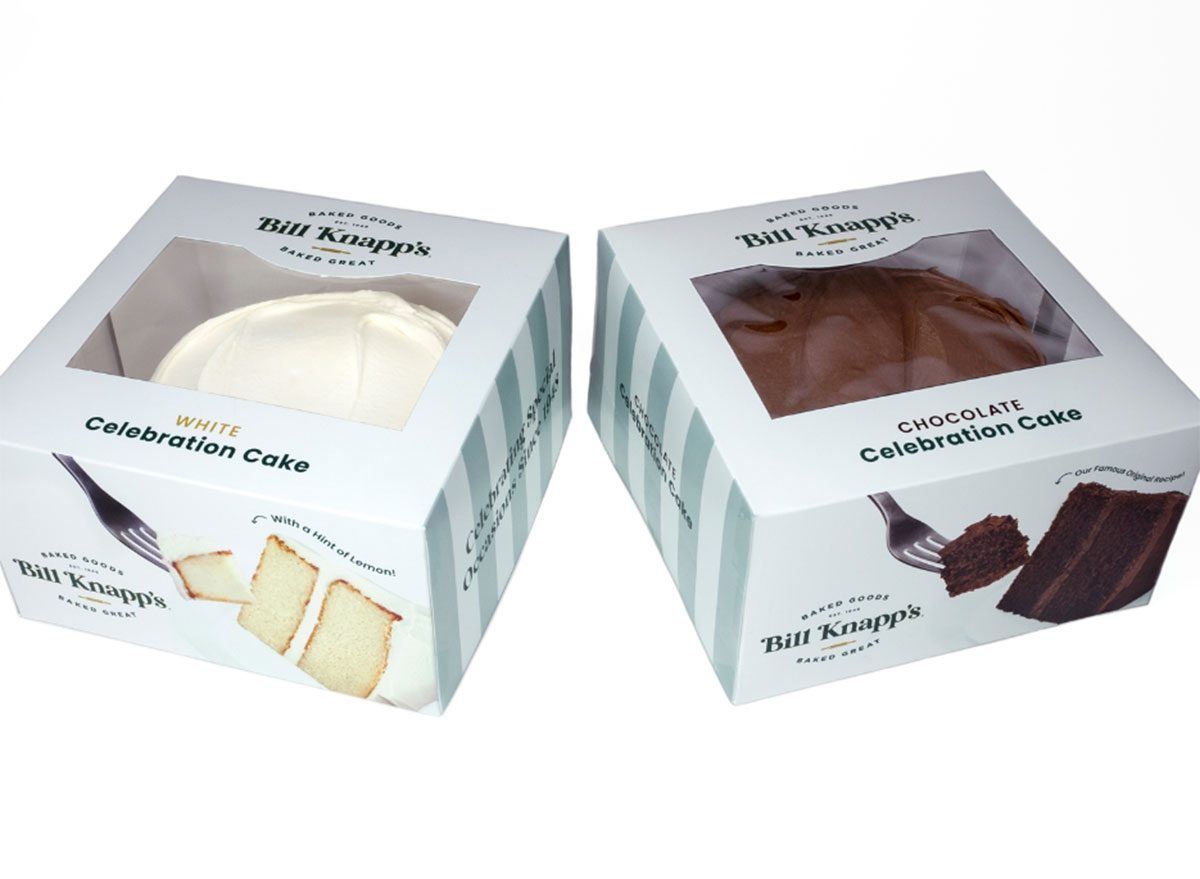
Bill Knapp’s was a classic multi-generational family restaurant. Founded in 1948 in Michigan, the chain was famous for its fried chicken, prime rib, and free birthday cake for kids. They also offered birthday guests a percentage discount equal to their age and played Bing Crosby singing Happy Birthday over the sound system. The chain declined in the 1990s as it struggled to attract younger diners and closed its last restaurant in 2002, although select baked goods are still sold through retail and online channels.
Tiny Naylor’s
With its futuristic space-age aesthetic and carhop service, Tiny Naylor’s evokes the youth of many Southern California Baby Boomers. The drive-in went beyond standard burgers and shakes, serving fresh (not frozen) items like baked potatoes, corn on the cob, ribs, and steak. Eventually, rising land values, changing dining habits, and competition drove the brand out of business.
King’s Food Host
King’s Food Host was a college-town favorite from the 1950s through the 1970s. The chain invented the Cheese Frenchee, a cheese sandwich dipped in batter, crusted with saltines, and then deep fried. Founder Larry Price bucked the trends of the day by banning cigarette sales at his restaurants and had a strict no-tips rule to prevent servers competing with each other. Overexpansion pushed King’s Food Host into bankruptcy and closure in the ’70s, although some midwestern eateries still serve variants of the original Cheese Frenchee.
Sandy’s
In order to compete with Scottish-sounding McDonald’s, fast-food burger chain Sandy’s adopted a Scottish theme, embracing plaid branding and bagpipe jingles. The drive-in restaurants are often remembered for their super affordable food, including 15-cent burgers and and 20-cent milkshakes. After being acquired in the ’70s, Sandy’s restaurants were converted to Hardee’s or closed.
Nickerson Farms
Nickerson Farms was a familiar roadside stop during Boomer-era family road trips. It combined a full-service restaurant, gift shop, and fuel station at locations along major highways. They even sold honey harvested from on-site beehives, and customers could watch the bees inside glass enclosures set into the walls of the dining room. The chain faded away after changing ownership multiple times in the 1970s and ’80s.
Horn & Hardart
Operating for nearly a century, Horn & Hardart became famous for introducing the automat to the United States, letting customers insert coins into slots, turn knobs, and open small glass windows to retrieve food while staff refilled the compartments from behind the wall. They served affordable comfort staples like baked beans, macaroni and cheese, baked goods, and coffee, and marketed to families through The Horn & Hardart Children’s Hour on radio and TV. The chain peaked around mid-century before rising costs and fast-food competition squeezed them out of business.
York Steak House
York Steak House was a cafeteria-style steakhouse mostly found in suburban shopping malls. With no waiters or tipping, customers moved down the line with a tray, choosing sides and desserts and watching their entree get plated. They payed for their budget-friendly meal at the register and took a seat amid castle-inspired decor like wood paneling and wrought iron chandeliers. Most locations closed around 1989 as mall dining habits shifted, although one location is still open in Columbus, Ohio.
The Magic Pan
First opened in San Francisco in 1965, The Magic Pan was a sit-down restaurant chain that brought French-style crepes into mainstream American dining. Guests could watch the crepes being made on the “magic” pan machine, which rotated inverted pans over a gas flame. Both savory entree crepes and sweet dessert crepes were available at reasonable prices. The business was sold in 1982 after sales declined, closing its last locations in the ’90s. There are some mall and airport crepe stands using the Magic Pan name, but they’re not part of the original chain.
The post 8 Forgotten Restaurant Chains That Baby Boomers Still Remember appeared first on Eat This Not That.”}]]